Thoughtful Sympathy Gifts for Non-Religious Friends & Family

Thoughtful Sympathy Gifts for Non-Religious Friends & Family
The most appreciated sympathy gifts for non-religious friends usually fall into three buckets: practical help that eases daily burdens, somatic comforts that soothe the body, and secular memorials that honor a life without religious language. Think meal delivery, a soft weighted blanket, a memorial tree, or a personalized keepsake. In your note, validate their pain, share a memory, and offer specific help. Skip spiritual platitudes or Scripture references. Presence and practicality speak loudest.
A large and growing share of Americans identify as religiously unaffiliated, now about 28% of adults, which means many mourners prefer support that is not rooted in theology. This guide shows exactly what to send, what to write, and when to follow up so your care feels authentic and respectful. You will also find curated, nature-forward options from laurelbox designed for secular recipients, with beautiful packaging and personalization that make your gift feel intentional.
Even though I am a person who considers my faith foundational to who I am, I have friends and relatives who don’t share my views. If I want to be a good friend and support them during a season of loss, I will put their needs and preferences above my own, including when choosing a sympathy gift. I know how difficult grief can be. Anything we can do to make it easier on our loved ones should be a priority!
Key Takeaways
- Secular-friendly gifts focus on comfort, memory, and real-life help since about 28% of U.S. adults identify as religiously unaffiliated.
- Cozy support does not have to be costly. Blankets, custom wind chimes and memorial candles often begin at low-entry cost points.
- Continued care matters. Structured grief mailings commonly check in at 3, 6, 9, and 12 months.
Understanding Secular Grief and Support Needs
Secular grief is rooted in the material world, memory, and legacy rather than an afterlife. With roughly 28% of U.S. adults now identifying as religiously unaffiliated, a quarter of Americans might prefer condolences that avoid spiritual framing. Most (PDF) in this group are younger, with 69% under 50, which can shape expectations for practical and modern support.
Many non-religious individuals prioritize empathy and reason in daily life. In one survey, 83% emphasized not harming others as central to morality, and 82% said they rely heavily on logic and reason. Thoughtful, concrete gestures and language grounded in support will resonate more than theological explanations.
There is also a research gap around secular bereavement, which can leave supporters uncertain about what to say or send. Out of thousands of peer-reviewed social science articles from 2001 to 2012 that examined nonbelieving populations, only 100 focused on these groups and just 1 studied death and bereavement specifically. This gap underscores the need for practical, respectful resources.
Common pitfalls include religious platitudes, outspoken spiritual declarations at funerals, or assumptions about belief. Well-meant phrases about a higher plan can cause secondary distress for secular mourners. Instead, affirm the person who lived, name their loved one, and offer help that makes life a bit easier.
How secular mourners often find meaning
Without leaning on doctrines of an afterlife, many secular mourners create meaning through the tangible: the work the person did, the values they lived, the memories shared, and the mark they left on people and places. This approach emphasizes legacy and the biological reality of life and death, not theological explanations. When you focus on who the person was, what they loved, and how they changed you, you honor their life in a way that feels true to a non-religious worldview.
Comfort-Focused Gift Categories
Grief is not only emotional. It disrupts sleep, attention, and the nervous system, so gifts that calm the body are deeply supportive. Weighted blankets are a popular option and typically cost between $40 and $80, making them accessible at different budgets. Many people find the gentle, even pressure grounding and sleep promoting. For a non-weighted option, Laurelbox offers a beautifully soft Saranoni blanket that is large and snuggly.
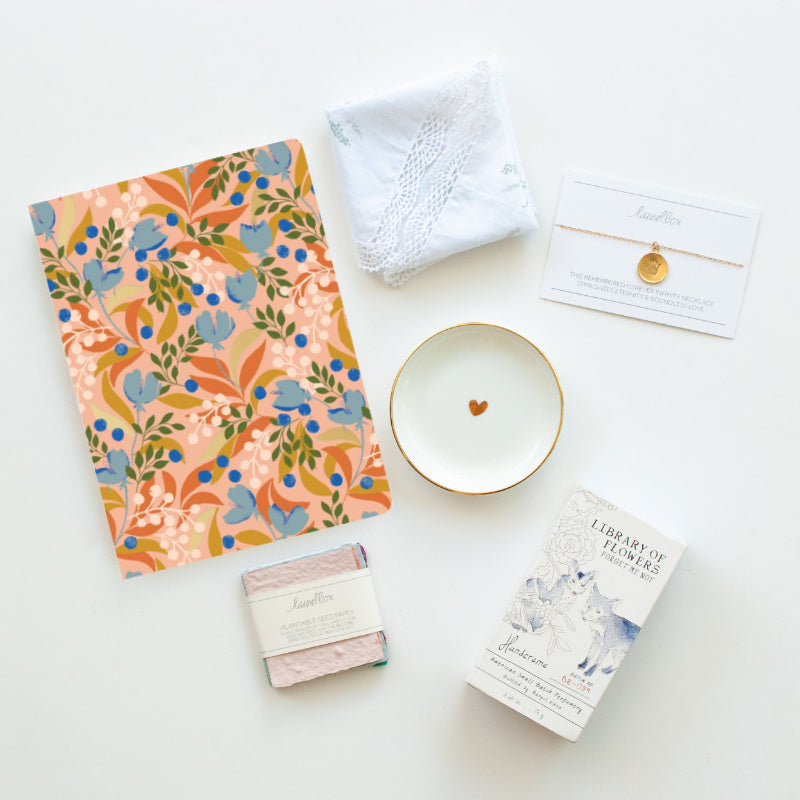
Self-care sets are another secular-friendly choice. Think soft socks, bath soaks, and soothing teas. Laurelbox offers a variety of these self-care gifts in addition to face masks, soothing mist, and luxurious hand cream. This list provides 20 ways to take care of yourself while grieving. Look through and see how you could come alongside and support your friend.
Being in nature is good for the body and the mind. One study found “feeling connected to nature is positively associated with beneficial mental health outcomes, such as psychological wellbeing and perceived psychological resilience.” laurelbox curates sympathy gift options for being outside including nature-based motifs rather than religious symbols. Gardening sympathy gifts include gloves, seed packs, and custom wind chimes that feature feathers, butterflies, or trees. These details keep your gift inclusive and beautiful to unbox.
Another care option is pragmatic and logical: practical help reduces the mental load of early grief. Offer a gift card for food delivery, coordinate a cleaning service, or drop off household essentials. Depending on your relationship with the person, offer to mow the lawn, assist with school pickups or even wash and fold laundry.
Many grieving people appreciate low-maintenance houseplants like peace lilies or ZZ plants, which add life to a space with minimal care. If you are unsure about scents or sensitivities, choose neutral, high-quality items and include a gift receipt for easy exchanges.
Quick ideas at different budgets
- Budget friendly: a handwritten letter, printed photo with a memory, herbal tea, seed packets, a soft throw.
- Mid-range: weighted blanket, self-care box, cozy loungewear, a laurelbox custom memorial candle and matches set, a journal.
- Higher touch: a series of meal gift cards, a professional house cleaning, custom wind chimes, or a memorial tree planting.
Memory and Legacy Gifts
Secular memorials emphasize connection that continues through memory, action, and the natural world. Psychologists often describe this as continuing bonds, where grievers maintain an ongoing connection with the deceased over time. Photo books, letters gathered from friends, and engraved keepsakes help sustain that relationship.
Many non-religious mourners find comfort in scientific language. The wave metaphor compares a life to a wave that rises, crests, and returns to the ocean, aligning with the conservation of mass and energy. Some also draw meaning from biological legacies like microchimerism, a reminder that traces of loved ones can remain within us.
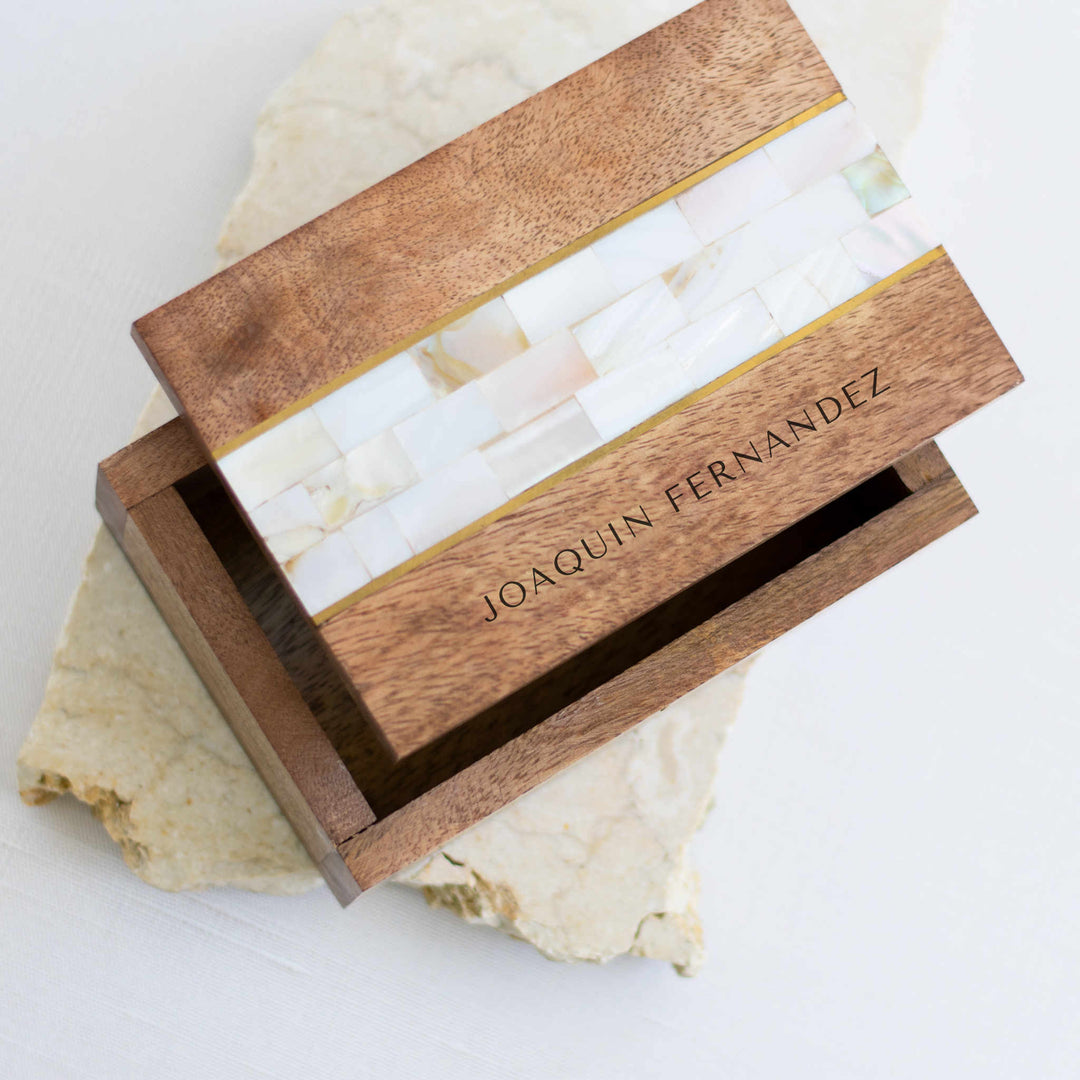
Choose tactile, personal pieces: birth stone necklaces, engraved lockets, or feather charms. For outdoorsy friends, plant a memorial tree, which honors the carbon cycle while creating a physical place to visit and reflect. I’ve said this often but the most special sympathy gift we received after we lost our son were two small weeping cherry trees. Ten years later, they tower over our backyard and provide shade, comfort and a lasting memorial as they bloom each year around the time he passed away in the spring.
A charitable donation to an organization your friend or their loved one valued is another powerful, secular tribute. It could be a civic organization, a school or a medical research cause. Be open with your friend about your intent and ask for guidance if you aren’t sure.
Memorial trees are a great gift for non-religious friends grieving a loss. They can be a constant source of comfort and a reminder of the circle of life. We received two weeping cherry trees after we lost our son Cooper and ten years later, they bloom each spring in honor of his life.

Words to pair with legacy gifts
Keep your message specific and secular. For a memorial tree: "Plant this tree to honor how [Name] nurtured you and the people around them. May this living gift reflect the love they grew." For a keepsake: "I chose this locket because your mom carried so many of us through hard seasons. Her kindness lives on in the ways we show up for each other." Short lines of secular poetry can add meaning as well.
Thoughtful Food and Meal Options
Grief in the initial stages creates a heavy cognitive load, making everyday tasks feel overwhelming. It’s so easy in acute grief to even forget to eat! Food support is an immediate, secular way to help. Gift cards for delivery apps such as DoorDash or UberEats give flexibility and remove decision fatigue. For instant nourishment, consider gourmet sympathy baskets with fruit, baked goods, or savory snacks. You can always create your own gift basket with assorted healthy snacks, electrolyte packets and herbal teas. Depending on the recipient, add in a bottle of wine and some fine chocolate for an indulgent treat!
Direct action is the most meaningful: drop off a dinner, handle a grocery run, or pay for a professional house cleaning. These tasks save time and energy when your friend has little to spare. For beverage lovers, pair comforting snacks with calming teas or a non-caffeinated assortment so they have options on hand. If dietary needs are unclear, choose simple, clearly labeled foods and include a supportive note. If you know they love baked goods, find a nice local bakery and buy a fresh sourdough loaf.
Practical scripts you can use
- "I sent a $50 meal delivery gift card to your email. Use it whenever cooking feels like too much."
- "I’m dropping dinner on your porch Thursday at 6. No need to answer the door."
"I hired a cleaner for next week - just let me know which day is best for you. I will be there to let them in so you can rest." Each script removes the burden of coordinating and shows up as tangible care. For more ideas, check out our guide to top sympathy gifts.
What to Write in Cards and Messages
Lead with empathy, name their person, and offer concrete help. Simple secular openings include, "I am so sorry for your loss," or "I was deeply saddened to hear of [Name]'s passing.” Phrases like "My thoughts are with you" or "I am holding you in my heart" convey presence without religious framing.
Share one specific memory to affirm the life lived: "Your dad made everyone feel seen, including me at that first neighborhood BBQ." Replace open-ended offers with specifics: "I am bringing dinner on Thursday at 6. You do not need to call me back." Empathy is most about being there for your friend in the way that cares for them best.
Card-ready message examples
- "There are no words to fix this. I loved [Name], and I am here for the long haul."
- "Your sister changed how I show up for people. I will carry that forward, starting with meals this week."
- "I am thinking of you every day. If it helps, I can handle lawn care for the next month." These messages center on love, memory, and practical presence, without invoking theology.
Gifts to Avoid for Non-Religious Recipients
Avoid items with explicit religious symbols or messages, such as crosses, rosaries, angel figurines, scripture-engraved plaques, or devotionals. For many secular mourners, these can feel alienating in an already painful moment. Cards with printed prayers and phrases like "They are in a better place" or "God has a plan" can minimize the reality of their loss and may strain your relationship instead of comforting it.
Actively pushing your theology at a funeral is especially unkind. Grief is not an appropriate time to debate beliefs. Keep your support focused on the person who died and the loved ones who remain, not on spiritual arguments. When in doubt, ask about preferences or choose nature-based, neutral designs that honor memory without theological language. If you feel compelled to share an element of your faith, do so in a limited and open-handed way. A simple “You know my faith has carried me through hard times. If you ever want to talk about it, I’m here. Either way, I love you and am so sorry you are walking through this.” If they want to follow up on that, they will.
A simple filter when buying a sympathy gift for a non-religious friend
Ask yourself these three questions:
- Does this item include religious text or symbols?
- Would this gift still make sense to someone who is atheist, agnostic, or “nothing in particular?”
- Does it validate their reality and offer comfort, memory, or practical help?
If you cannot answer yes to number 2 and 3, pick a secular alternative.
Timing and Delivery Considerations
Care that extends beyond the first few weeks makes a lasting impact. Many people experience a sharp drop in support after the funeral, so a note or gift later can matter even more. Immediate help might focus on logistics and meals. Weeks later, a keepsake or a cozy blanket says, "I still remember."
Plan for sustained check-ins. Structured bereavement mailings often schedule touch points at 3, 6, 9, and 12 months, which aligns with common grief milestones and anniversaries. You can mirror this rhythm with calendar reminders, a small plant delivery at six months, or an anniversary card with a shared memory. I remember the comfort that would wash over me when, in the first year after losing Cooper, a snail mail card would show up in my mailbox. I felt seen. I felt acknowledged. I felt loved.
A simple support timeline
- 0-2 weeks: Food delivery, childcare help, housekeeping.
- 1-3 months: Keepsake items, weighted blanket, grief journal.
- 6-9 months: Coffee invitation, use their loved one’s name, living memorials like plants.
- 1 year+: A card on the anniversary, a charitable donation in their loved one’s honor. This cadence acknowledges that grief continues, even as public attention fades.
Frequently Asked Questions
What is a good secular sympathy gift?
A good secular sympathy gift focuses on comfort, memory, or practical help. Examples include a weighted blanket, a memorial tree, a custom keepsake, meal delivery gift cards, or a nature or self-care themed gift box. Choose items without religious symbols and consider the recipient’s preferences.
What should I write in a non-religious sympathy card?
Lead with empathy and specificity. Use phrases like "I am so sorry for your loss," "I was deeply saddened to hear of [Name]'s passing," or "My thoughts are with you." Share a specific memory or offer concrete help, such as "I am bringing dinner on Thursday at 6." Avoid religious language unless you know it is welcome.
When should I follow up after a funeral?
Support is especially meaningful in the weeks and months after the funeral, when attention from others often fades. Consider sending a note or small gift at 3, 6, 9, and 12 months, or on important anniversaries. These check-ins show ongoing care and remembrance.
Are there gifts I should avoid for non-religious recipients?
Yes. Avoid gifts with religious symbols, scripture, or overtly spiritual messages. Steer clear of items like crosses, angel figurines, devotionals, or cards with prayers. Instead, select nature-inspired, neutral, or personalized gifts that honor memory and provide comfort.
Conclusion
Secular sympathy is about honoring their memory, caring for those in the here and now, and lifting burdens. Non-religious mourners often prefer gifts that soothe the nervous system, preserve memories, and deliver practical relief. That can look like self-care gifts, memorial wind chimes, a donation to a cause they loved, or a week of meal gift cards. Your words matter too. Name their person, share one specific memory, and offer help with a clear plan. Avoid religious language unless you are certain it is welcome.
If you want a beautifully packaged, secular-friendly gift, explore laurelbox’s curated collection with nature-forward designs and personalization. Choose a piece that fits their needs today, then set a reminder to check in again at 3, 6, 9, and12 months. Small, steady acts of care add up to comfort that lasts.


Lanna Britt
Lanna Britt was a national news producer in Washington DC for nearly a decade covering politics, breaking news and current events. She now lives with her husband and three children in Richmond VA. She has two sweet babies she’ll meet again in heaven.


Keep reading