60+ Thoughtful Sympathy Card Messages for Every Situation in 2026
Short and sincere messages, personalized to the person and loss, are the most helpful sympathy card words. Research shows that simple phrases that center love and care land best, especially when the bereaved is overwhelmed. In many cases, a brief note paired with a concrete offer of help is more comforting than a long letter packed with clichés. I’ve received dozens and dozens of sympathy cards in my life and I can attest that each and every card received helped my grief journey in a small but real way.
This list organizes 60+ sympathy messages by relationship, scenario, and tone to remove guesswork. You will find a simple writing framework, examples, what not to say, and faith-sensitive wording. All the experts agree that brevity, authenticity, and personalization matter, and how a thoughtful gift alongside your card can deepen support.
Key Takeaways
- Sincere, love-centered wording resonates. An analysis of 170 sympathy cards found the words "love" and "heart" appeared 104 and 74 times respectively, signaling strong emotional connection.
- Keep it short when possible. You don’t have to feel pressured to write a long paragraph, just be empathetic and thoughtful. Need a reminder about the difference between empathy and sympathy? This Brene Brown video is my favorite. The key line, “Rarely can a response make something better. What makes something better is connection.” That will preach!
- Pair words with a tangible gesture. Thoughtful, grief-specific gifts can amplify comfort when sent with a heartfelt note. Did you know laurelbox offers free gift messages with every gift?
How do you write a meaningful sympathy card message?
Use a four-step framework. Acknowledge the loss, express empathy, share a brief memory or describe a quality you admired, then offer specific support and close warmly. Funeral professionals and card experts recommend beginning with a clear condolence line to set the tone.
Personalize with the person’s name and a single concrete detail. Try to connect with language focusing on care, presence, love and sharing in the bereaved person’s sorrow, according to 2022 research study.
Handwritten notes also feel more personal and intentional than preprinted sympathy cards. Timing helps, not perfection. Sending within one to two weeks is typical, yet late cards still matter because support often fades after the early weeks. I’ve been especially touched when months after a loss, a card shows up in the mail offering continued love and care.
Consider adding a calendar reminder to help you remember a loved one’s loss in the months and years to come. This note showed up in my mailbox five years after we lost our son Cooper. It meant so much that my friend Megan K acknowledged our loss all those years later!

A simple framework that works
Try this structure:
- Acknowledge and empathize: "I am so sorry for your loss. My heart is with you."
- Add a memory or quality: "I will always remember her warmth at the neighborhood dinners."
- Offer help: "I can handle school pickup next week, please say yes."
- Close with care: "Holding you close in this grief." This mirrors common best practices suggested by experts keeping the note sincere and brief.
Personalization tips that feel natural
- Use the loved one’s name and a single vivid detail.
- If you did not know the person, affirm the relationship: "Your dad raised someone kind and strong." or “I always loved the way you spoke about your mom. I wish I could have met her.”
- Keep it short so as not to overwhelm the recipient.
General Sympathy Card Messages
General messages are useful for acquaintances, group cards, or when you are unsure of beliefs. Many effective cards center around thinking-of-you language. Use clear, short lines like these:
- “I am so sorry for your loss.”
- “My heart goes out to you and your family.”
- “Thinking of you during this difficult time.”
- “You are in my thoughts and prayers.”
- “Please know that I am here for you.”
- “Wishing you comfort and peace in the days ahead.”
- “Holding you in my heart as you remember [name].”
- “With deepest sympathy.”
Short sincere wording is consistently appreciated by bereaved families and recommended by grief-informed editors.
What sympathy message fits your relationship?
Match tone and detail to your closeness. Relationship-aware messages feel more authentic and help the bereaved feel seen.
Family members
- Parent: "Your mother was an incredible person. Her kindness lives on through everyone she touched."
- Sibling: "Your brother’s laughter and loyalty will always be remembered."
- Spouse: "I am deeply sorry for the loss of your beloved husband. His love brought so much light to your life."
- Child: "There are no words for this sorrow. I am here for you, today and in the months ahead."
- Grandparent: "Your grandmother’s gentle presence and stories will always be a blessing."
Statistics show one in thirteen U.S. children lose a parent by 18, so sensitivity matters deeply. One writer called them “bereavement deserts” in referring to care for young children experiencing loss.
Friends, coworkers, and neighbors
- Friend: "My heart is with you as you remember your dear friend."
- Close friend: "I will cherish the weekend hikes we shared with [name]."
- Coworker: "Thinking of you and your family as you celebrate your loved one’s life." Keep a warm but professional tone for office or client contexts.
- Acquaintance or neighbor: "Sending sympathy to you and your family. Your community is here for you."
Pet loss
Pet loss is deeply felt. Try: "I am so sorry you lost your best fur friend. What a special and gentle soul she was." or “I always loved seeing your afternoon walks together. [Name] will be missed.” Validating this bond matters in every community.
Which messages work for specific situations?
Different losses may need different acknowledgments. Trauma-related deaths carry higher risk for prolonged grief than natural deaths, so emphasize compassion and nonjudgment.
Sudden or unexpected loss
- "Words cannot express the shock and sadness I feel for you."
- "I am holding you close as you navigate this sudden loss." Offer practical help if you can. Keep the note simple, since sudden loss can be especially jarring.
Traumatic or stigmatized loss
Prolonged grief disorder prevalence is about 49% for trauma survivors versus just under 10% for natural death bereavement. Avoid judgment, speculation, or asking for details.
- "I am heartbroken for you and your family. Please let me know how I can help."
- "I am here, no questions, just love and support."
Miscarriage or pregnancy loss
Miscarriage (the loss of a child before 20 weeks) globally affects about 15% of all known pregnancies. Many parents feel unseen and carry their grief quietly, so direct acknowledgment matters. This is especially close to my heart, having experienced a late first trimester miscarriage.
- "I honor this sweet baby’s life."
- "Your baby mattered, and so does your grief. I am here." Avoid minimizing phrases. Definitely avoid "you can try again" or “At least it was early” phrases.
Loss of a child
We lost our second son Cooper a few days shy of full term and that was my first real experience with grief. During our darkest days, the overwhelming support we felt from our community was so meaningful. Take the time and send a card, it matters more than you realize!
- "There are no words for this heartbreak. I am here for the long haul, one day at a time."
- "Honoring [name] with you today and always." Child loss requires exceptional care. Persistence matters, since grief can ebb and flow and sneak up at the most unexpected times!
Loss due to illness
For long illnesses, you can honor the fight and the love that sustained it.
- "Your father faced his illness with courage. Your care was a gift."
- "Wishing you peace as you remember the tenderness of these last months." Keep language gentle and avoid implying that courage or positivity could have changed the outcome.
Short Sympathy Card Messages
Short notes reduce cognitive load for the bereaved and are often easier to receive during acute grief. Communication research also supports succinct, clear expressions during high-stress periods. Try these brief lines for cards or signatures:
- “I am so sorry for your loss.”
- “Words fail to express my deep sorrow for your loss.”
- “My heart goes out to you and your family.”
- “Holding you in my heart.”
- “Sharing in your sadness as you remember [name].”
- “With deepest sympathy and care.”
- “Wishing you peace and comfort.”
- “Here for you, today and always.”
- “Keeping you in my thoughts.”
- “Honoring [name] with you.”
When are religious and spiritual messages appropriate?
Use faith language only when you know it will comfort the recipient. The days following a loss are not the right time to push your beliefs on those grieving. Examples by tradition or tone:
- Christian: "Blessed are those who mourn, for they will be comforted." Matthew 5:4. “I’m praying God’s comfort covers you in this dark time.“ If you include scripture, keep it gentle and supportive.
- Jewish: "May their memory be a blessing."
- Islamic: "May Allah grant your loved one peace and grant you strength and solace."
- Buddhist-inspired: "May peace be with you as you remember your loved one."
- Secular: "Your loved one’s legacy of kindness will live on through all who knew them." When in doubt, choose inclusive, nonreligious language or ask a close contact about what would comfort the family.
Personalization Tips and Creative Closings
Using the deceased’s name and a specific memory increases resonance and helps the family feel their person is remembered. There is an unspoken fear that your loved one will be forgotten. Using their name helps ease that concern. Handwritten notes can heighten emotional presence, which many recipients value.
Personal touches that matter
- Name them: "I will always remember John’s warm laugh at our Friday dinners."
- Share one detail, not a biography.
- Offer a specific help: rides, meals, childcare, pet care.
- If you did not know the loved one, reflect on what you admire in the grieving person: "Your devotion to your mom inspires me."
Creative ways to close your note
Choose a closing that matches your relationship and tone.
- Formal: "With deepest sympathy," "With heartfelt condolences,"
- Heartfelt: "Holding you close in this grief," "With all my love and support,"
- Faith-based: "Praying over you," "May God’s peace be with you,"
- Casual and warm: "Here for you, always," "Honoring [name] with you," Sign clearly, and consider adding contact info for easy follow up.
Common Mistakes and What to Avoid Writing
Some phrases, even well meant, can hurt. Experts caution against minimizing, assuming beliefs, or centering on your own story. Avoid these lines:
- "I know how you feel."
- "Everything happens for a reason."
- "They are in a better place."
- "At least they lived a long life" or "At least you can try again."
- Unsolicited advice, or pivoting to your loss story. Instead, focus on support and presence:
- "I am so sorry. I am here for you."
- "I loved [name] and will honor their memory."
- "I can bring dinner next Thursday or handle yard work this weekend." These approaches align with grief-aware guidance to be authentic, specific, and nonjudgmental.
Pairing Your Sympathy Card With a Meaningful Gift
Words offer comfort, and a tangible gesture can extend that care. Many grieving people do not seek professional support, which makes community acts like meals, memorial items, and check-ins even more impactful. Consider timing and type:
- Early support: meal delivery, grocery gift cards, cleaning help.
- Memorial support: personalized candles, jewelry, or a tree planted in memory.
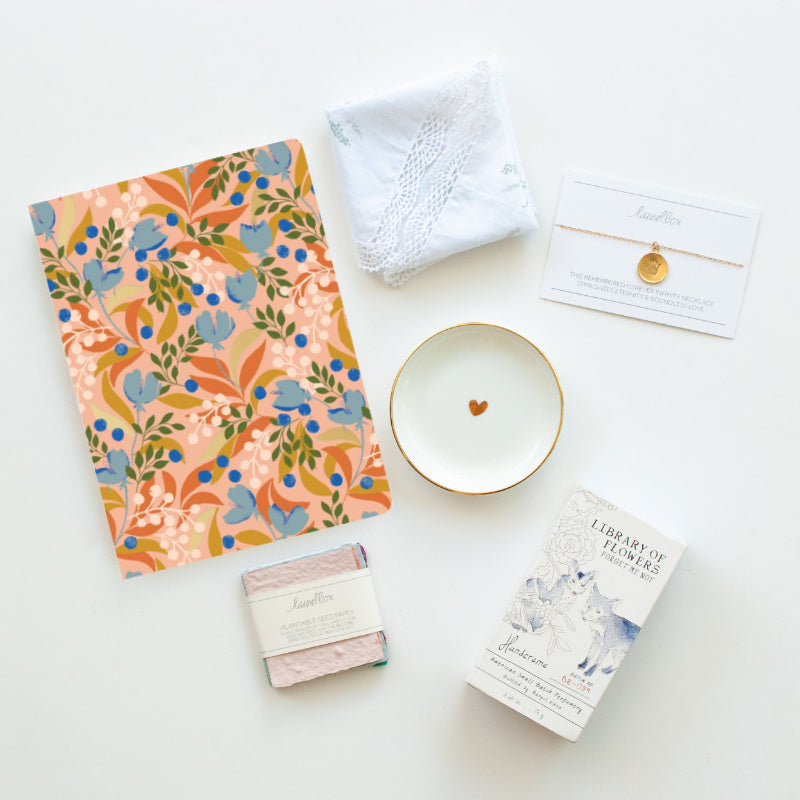
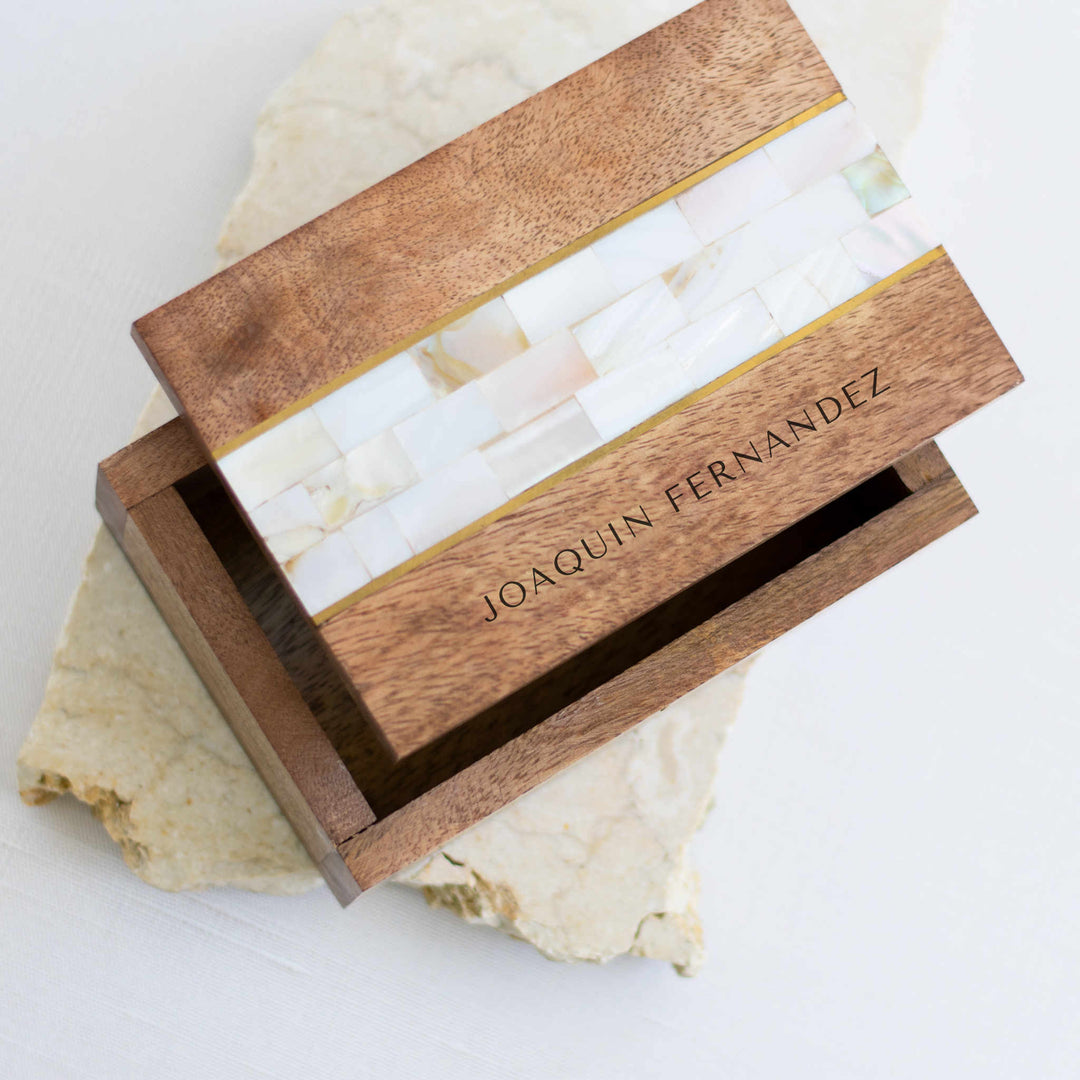
- Accompanying note: "This small gift carries big love and support for you and in memory of [name]." Laurelbox offers curated, grief-specific gifts, including personalized candles, memorial jewelry, and meaningful keepsakes like custom wind chimes, all thoughtfully packaged to reduce decision fatigue for the sender and the recipient. If you need even more ideas on what to say with a gift check out our guide in what to say in a sympathy card gift.
Long before I started writing for Laurelbox, I was just a recipient of their beautiful keepsake items. In the ten years since we lost Cooper, miscarried another baby and unexpectedly lost my father, I’ve received dozens of Laurelbox items and they are all cherished keepsakes that honor our loved ones! Trust me when I say, Laurelbox sympathy gifts are the best on the market!
Sending a sympathy gift along with a heartfelt note, conveys deep affection and care for the bereaved. Here, Laurelbox co-founder Johanna & her husband wrote a beautiful note and sent a personalized butterfly seed kit to us on a Mother’s Day years after we lost Cooper.

Conclusion
You do not need perfect words to offer real comfort. A brief, sincere line that names the loss, adds one personal detail, and offers specific help is often enough. Research shows love-centered, handwritten notes land especially well and that many people benefit when care continues after the initial weeks and months. When appropriate, pair your message with a simple, meaningful gift to extend practical and emotional support, since much grief care happens through community action. If you are ready to send both comfort and care, choose your message above, write it by hand, and add a thoughtful item from laurelbox’s curated collection. Your presence, in words and in action, will matter more than you know!
LANNA BRITT
Lanna Britt was a national news producer in Washington DC for nearly a decade covering politics, breaking news and current events. She now lives with her husband and three children in Richmond VA. She has two sweet babies she’ll meet again in heaven.


Keep reading