Self-Care Gift Ideas for Someone Navigating Grief
Some of the most comforting gifts after loss reduce burden and offer gentle, steady support. Choose self-care items that soothe the senses, encourage rest, and make space for reflection. Practical help and specific gestures work best, from a calming care package to a memory keepsake or a relaxation aid that can be used on a hard day.
Grief touches the body and mind, so effective gifts focus on nervous system regulation and emotional processing. This guide shares evidence-backed self-care and reflection gifts, explains why they help, and shows how to match the right item to your friend’s needs. You will also find timing tips, examples for what to say, and options that feel personal without being overwhelming.
If we haven’t met before, hi! Thanks for stopping by the Laurelbox blog. Long before I was on the payroll, I was just a grieving mama trying to heal after a series of losses. We unexpectedly lost our second son Cooper at full term in the delivery room. Then a few months later, I miscarried late in the first trimester. Over the next few years, I would walk through losing my stepdad to cancer, my father to heart failure and our beloved mini Aussie. Oh and we experienced three years of infertility and then successfully went through two rounds of IVF to bring home our daughters. I’m not exaggerating when I say I got a crash course in grief! I’d love to share some self-care ideas for you or your grieving friend.
Key Takeaways
- Small, body-first comforts matter: weighted blankets in the 10-15 pound range stimulate serotonin and dopamine, which can promote relaxation.
- Reflection tools reduce mental load: mindfulness-based approaches decrease rumination by changing brain network connectivity over time.
- Support lasts beyond week one: about 48% feel their most intense emotions ease within six months, and 67% report recovery within a year, though timelines vary.
Characteristics of a Comforting Gift After Loss
A good grief gift soothes, simplifies, and acknowledges pain without adding decisions. Look for items that ease daily strain, invite rest, or hold memories close, such as a self-care package, a gentle relaxation aid, or a keepsake that honors the person who died. If your friend is physically recovering, consider a calming Be Still Shower Steamer set. I can recall one of my lowest moments was a shower a few days after coming home from the hospital *without* our son, and my milk painfully came in. I sobbed in the shower until the hot water ran cold. I think a shower steamer set would have been a small comfort that day.
Helpful support is specific and low lift. Experts recommend skipping vague offers and choosing clear, proactive help, like saying you will bring dinner Tuesday or sending a ready-to-use comfort item that requires no setup. Gifts that match the person’s preferences are more meaningful than generic gestures, which can feel impersonal during intense grief.
Why self-care and reflection gifts matter in grief
Grief is a full-body experience. Am I right? It can elevate stress hormones, disrupt sleep, and affect immune function. It basically rocks your entire world - physically, emotionally and socially. Therefore, soothing, body-first gifts are especially helpful. Supportive routines like gentle journaling and guided meditation help regulate overwhelming emotions and create a sense of safety.
Journaling engages the prefrontal cortex and builds an observing self, which makes intense emotion feel more manageable during difficult waves and anniversaries. I personally can attest to the value of journaling and processing my thoughts during difficult seasons.
Research shows mindfulness-based cognitive therapy over eight weeks reduces connectivity in brain networks tied to rumination, a pattern many grieving people face. Combined with sleep-friendly comforts and calming aromatherapy, these gifts offer steady tools for day-to-day coping.
10 Self-Care Gifts to Comfort a Grieving Friend
Each idea is simple to use, gentle on the senses, and chosen to lower cognitive load. When possible, include a short note that names the loss and invites rest. Be open to supporting your friend however they need you to show up.
1) Calming Herbal Tea Sampler
Offer tea blends that comfort the heart and nervous system. Traditional grief-supportive botanicals include hawthorn and rose, which many use to soften anxious edges and support steady calm. Pair with a short note and a ceramic mug. I personally think the One Day at a Time box is a great choice!
2) Aromatherapy Candle, lavender or chamomile
Scents connect directly to the limbic system, which shapes mood and memory. Lavender and chamomile are often used to promote relaxation and ease nighttime anxiety. Choose a gentle, natural candle and don’t forget the option to customize a memorial candle.
3) Cozy Throw Blanket
Warmth provides immediate, somatic comfort. If sleep is hard, consider a weighted option in the 10-15 pound range for adults, which stimulates serotonin and dopamine to support relaxation. Include care instructions to keep it easy.
4) Handwritten Notecard or Letter
Write their loved one’s name and a memory. Handwritten notes signal time, presence, and care, which many grieving people find more meaningful than a larger but impersonal gift. Research indicates handwriting engages the brain differently than typing, which can deepen processing, though individual responses vary. I remember after we lost Cooper we received dozens of handwritten notecards in the mail from so many people. It was truly humbling and encouraged us in a very dark time. I still have every single card that was mailed to us!
5) Memorial Reflection Journal
Prompts help organize overwhelming thoughts and build a gentle routine for anniversaries and hard evenings. Pair a blank journal with a soft pen or choose a grief journal designed with supportive prompts. If your friend is a person of faith, consider this Praying Scripture for Grief and Loss journal.
6) Soothing Bath Soaks or Balms
A warm bath with calming essential oils can quiet the nervous system and release muscle tension. Look for simple ingredient lists and gentle scents like lavender when appropriate.
7) Remembrance Jewelry, subtle symbolism
Memorial jewelry is a physical reminder of a life. A small pendant engraved with initials or a birthstone lets your friend keep their person close in a private way. Personalization often adds meaning during grief.
8) Comfort Snacks or Herbal Honey
Energy dips are common when appetite is low. A few gentle, easy-to-eat comforts such as crackers, herbal honey, or soft granola can help on hard days. Keep portions small and packaging simple. Consider choosing a variety of types and dropping off along with some Liquid IVs and a box of tissues for a relatively easy-to-assemble care box.
9) Guided Meditation Audio or App Subscription
Grief-specific content and mindfulness tracks support emotional regulation on demand. Options like Grief Works, Calm, or Headspace are commonly recommended, and mindfulness-based approaches can reduce rumination over time.
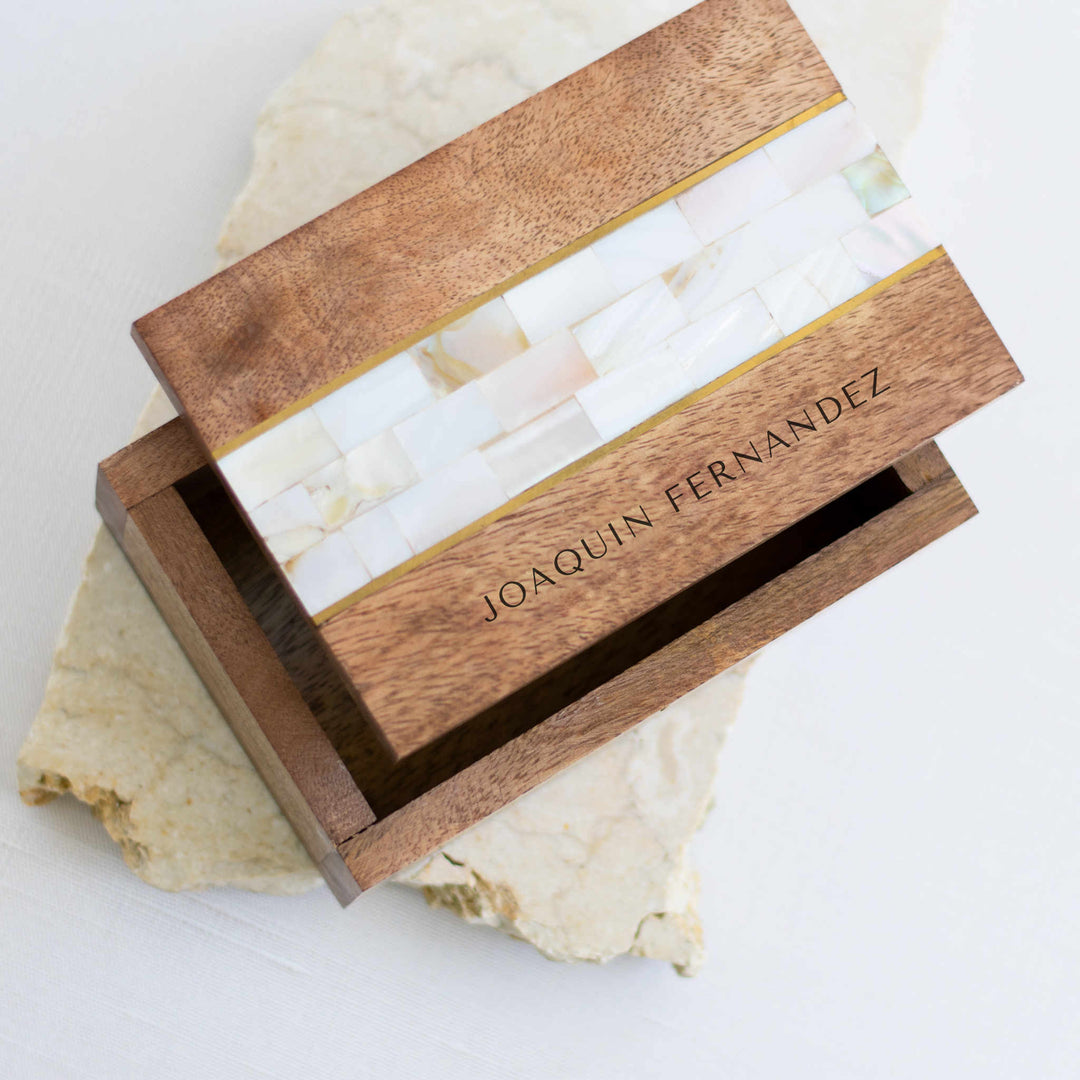
10) Personalized Keepsake Box
Offer a safe place for mementos, letters, and photos. A custom memory box can make early organizing feel more tender and less overwhelming. Include a note that says “For those small but meaningful reminders. (Their name) was well loved and will always be remembered.”
Handwritten sympathy cards are always appreciated. In the weeks after we lost our son Cooper, dozens of sympathy cards arrived and with each one we felt loved and seen.

How to choose a self-care gift for grieving friends
Start with the person. Consider what actually soothes them, like quiet reflection, nature, or soft routine. Specific, proactive support is kinder than open-ended offers, which can shift work back to the bereaved.
Personalization matters more than price. Choose items that reflect their values and healing style, and avoid generic sympathy bundles that could belong to anyone. If you are unsure, send a short note that says you will listen whenever they want to talk. Many people want to share their memories of their loved one, but sometimes don’t know how to communicate that.
Quick selection tips
- Match the gift to their coping style, introvert or extrovert.
- Reduce decisions: ready-to-use items beat pick-and-choose kits.
- Be specific with offers to help: “I am bringing soup Wednesday at 6 and dropping off on your porch.”
- Use their loved one’s name in your note.
- Time support around milestones like birthdays or month marks.
How laurelbox supports thoughtful gifting for grief
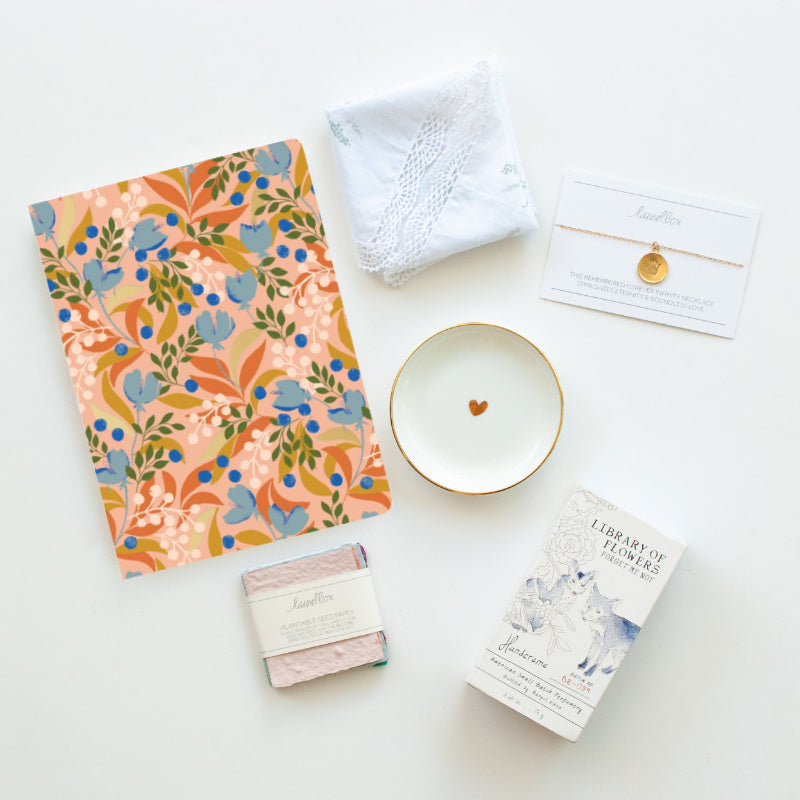
Laurelbox curates self-care and reflection gifts designed specifically for grief support, with options to personalize and customize each box. Collections often include calming candles, natural balms, and care items that are easy to use on difficult days.
For senders who want guidance, Laurelbox offers curated sets and educational resources with ideas for what to write and when to send support, including anniversaries and significant dates. We have ideas for sympathy card messages, etiquette for the workplace, grief support for the holidays and so much more!
Frequently Asked Questions about comfort gifts after loss
Quick answers to the most common questions, based on current etiquette and grief-support best practices.
Should I avoid certain types of gifts after loss?
Yes. Skip gifts that create extra work, such as items that require assembly, complex decisions, or scheduled appointments. Avoid overly cheerful items or humor that could minimize pain. Choose simple items that acknowledge the loss and can be used right away.
Is it better to give a physical gift or a service like meal delivery?
Both can be deeply helpful, depending on timing and needs. Right after a loss, practical services like meal delivery from providers such as Freshly or Home Chef reduce daily strain. If you can, set up a Meal Train for two weeks and include friends and family in their circle to rally around the grieving party. Physical comfort items like blankets or journals support rest and reflection in the weeks that follow.
How soon should I give a comfort gift after loss?
Anytime is appropriate. Immediate gifts can be purely practical, then continue support in weeks two to four and around anniversaries, when the initial rush fades and loneliness can increase. Since grief often shifts over months, ongoing check-ins align with many people’s timelines of easing and recovery. I know I felt supported monthly when a snail mail card would arrive in my mailbox from a long-distance friend in the months following Cooper’s passing.
Conclusion
Comfort gifts work best when they lower the burden of grief, not add to it. Self-care items that soothe the senses, improve sleep, and make space for reflection can regulate stress and reduce rumination over time. Simple, specific help like a ready-to-brew tea set, a calm candle, or a journal paired with a handwritten note communicates presence and care.
Choose one gentle item, personalize your message, and time your support beyond week one. If you want a curated option designed specifically for grief, explore Laurelbox’s wellness and remembrance collections to send something that feels thoughtful, modern, and easy to receive. This boutique female-owned business was birthed out of loss and grief which is why we intentionally design each item to support hurting hearts!


LANNA BRITT
Lanna Britt was a national news producer in Washington DC for nearly a decade covering politics, breaking news and current events. She now lives with her husband and three children in Richmond VA. She has two sweet babies she’ll meet again in heaven.


Keep reading