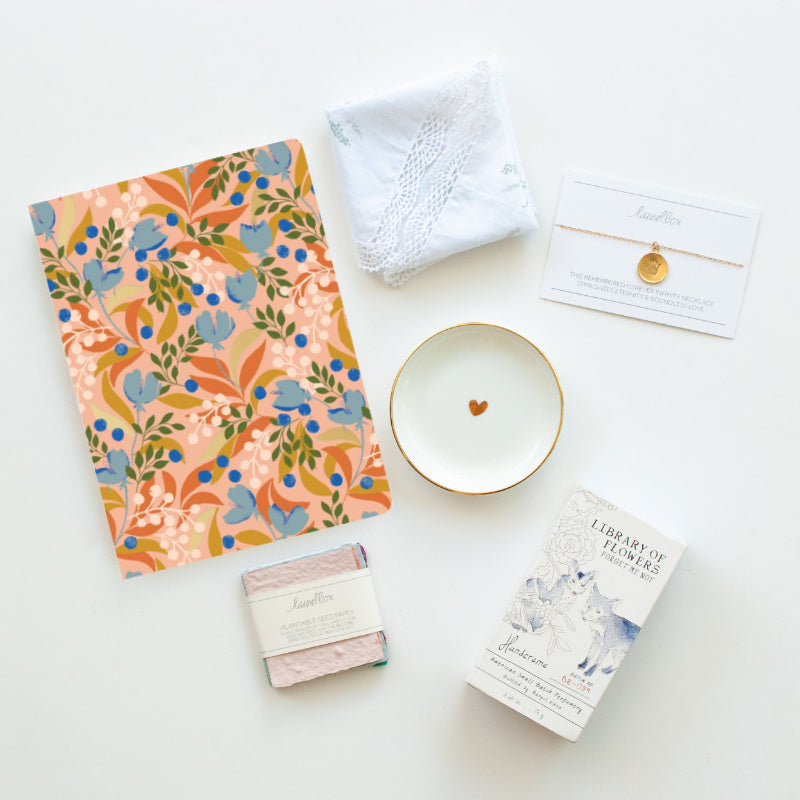


The Complete 2026 Guide to Thoughtful Workplace Sympathy Gifts
Appropriate workplace sympathy gifts balance professionalism with genuine care. Choose based on three factors: the depth of your relationship, the type of loss, and your company’s culture. For acquaintances, a sincere card is often enough. For closer colleagues, opt for practical comfort that reduces mental load, like meal deliveries, curated care packages, or low‑maintenance plants. Group gifts help teams pool support and funds. They also can avoid duplicating items while keeping things simple and respectful.
Grief is heavy at work, and people fear saying the wrong thing. The right gift can quietly say, “you are not alone.” This guide explains etiquette, budgets, and timing, then offers vetted individual and group ideas. You will also find message suggestions and light-touch, longer term ways to show up. Laurelbox specializes in curated, modern sympathy gifts, so we included options that remove guesswork and maintain professional boundaries.
I had worked for ten years in a close-knit office setting when, a month later, we unexpectedly lost our second son Cooper at full term. I can honestly say the outpouring of support from my former colleagues (even after we had moved two hours south) was SO comforting and meaningful. It showed me that I wasn’t forgotten and even though I no longer worked with them, they still cared about me and my family!
Key takeaways
- Unsupported grief is costly and common at work - affecting employers in the billions. Organizations lose as much as $75 billion annually in productivity when grief goes unsupported.
- Empathy retains talent. Employees at unempathetic workplaces are 1.5 times more likely to quit and about half of employees will consider leaving their jobs if employers don't provide support after a loss.
- The cost of leaving grief unaddressed in the workplace can be high, as it may contribute to presenteeism, lower retention rates, and hinder psychological safety.
Why Workplace Sympathy Gifts Matter More Than Ever
Grief affects performance, retention, and culture. Companies lose up to $225 billion - that is a billion with a B! - in productivity each year when grief goes unsupported. Empathetic workplaces see stronger loyalty, with 92% of workers more likely to stay when they perceive empathy from leadership. Addressing grief can actually be a smart business move for employers.
Costs escalate when employees feel abandoned. Turnover tied to poor support can cost up to 150% of salary to replace an employee. Individual productivity also dips. People with probable prolonged grief disorder experience work‑related productivity losses of almost 16%.
The practical load is staggering for grieving individuals so even small displays of support can create a big impact. Whether you are the leader of a company and can make changes to company-wide bereavement policy or you are a coworker who realizes a coworker is struggling after a loss, there are multiple ways to handle corporate condolence and workplace sympathy gifts. Frameworks and best practices exist to guide supportive policy and communication.
Practical support reduces cognitive load
In the fog of grief, decisions feel impossible. Practical gifts like heat‑and‑serve meal deliveries, curated comfort boxes, or a charitable donation in a loved one’s name reduce choices and provide immediate care. These gestures align with modern workplace best practices that emphasize dignity, agency, and concrete help during acute stress.
The value of practical support in the initial days after loss can’t be understated. Immediately after we lost our second son Cooper, my former colleagues sent two weeks worth of heat-and-serve meals (pictured above) for our family and it was SO appreciated!

Understanding Workplace Sympathy Gift Etiquette
Work relationships have boundaries that differ from family and close friends. That means scale, tone, and timing should match your professional context. For many coworkers, an individual gift in the $15 to $50 range is appropriate, while group gifts commonly total $50 to $200 depending on contributors. As a benchmark, companies often spend about $35 to $50 per employee for recognition occasions.
Timing matters. The traditional window for workplace gifts is the first two weeks after a loss, but support beyond that is meaningful, especially as initial outreach fades. Send a card or small gesture 3 weeks, 6 weeks, or 3 months later. Anniversary or birthday remembrances can also land with care.
Cultural and faith sensitivity
When in doubt, choose neutral, inclusive gifts. Follow known preferences or public guidance from the family. For example, during the first seven days of Jewish Shiva, flowers and plants are traditionally avoided. Many modern policies also recognize non‑traditional losses such as pregnancy loss or pet bereavement. If your firm is updating policies, here is some guidance on modern bereavement approaches that can help leaders balance consistency and compassion.
Individual Sympathy Gift Ideas for Coworkers
Aim for comfort, calm, and ease. Budget‑friendly care packages can be assembled for under $40 and still feel deeply considered. Include items that soothe and reduce decisions as well as honor memories.
Consider:
- Comfort and self‑care: herbal tea, Little Lights of Remembrance candle set, and super soft socks would all be less than $40, plus shipping!
- Practical meals: heat‑and‑serve meal delivery, often available in 5‑day or 7‑day plans, so dinner is decided without effort.
- Living tributes: low‑maintenance plants such as peace lilies, small trees, or majesty palms add quiet greenery without much care. Check with a local florist for pricing.
- Donations: if the obituary requests donations in lieu of flowers, follow that lead and select a charity aligned with the loved one’s values.
Books and journals, used thoughtfully
Books and journals help many people process grief. Keep selections neutral and avoid anything prescriptive or that implies a timeline. Pair with a short, handwritten note and the option to pass the item along if it is not a fit. If the family observes Shiva, skip flowers during the first week and choose a different gesture instead.
Group Sympathy Gifts: Pooling Resources for Greater Impact
Group gifts minimize duplicate items and let teams send something more substantial. Typical department gifts total $50 to $200 depending on how many people contribute. Digital tools make coordination easy. Platforms like GroupTogether streamline setup, track contributions, and collect messages for a shared card. Another option is to assign one person to handle and collect funds either in cash or via digital platforms like Venmo.
Scale ideas to your pooled budget. For modest totals, pair a heartfelt team card with a simple comfort item. With larger pools, consider a multi‑week meal plan or a comprehensive comfort box that conveys love and heartfelt support.
How to organize an office collection
Choose one coordinator to avoid overlap, then confirm any HR guidelines. Set a clear close date and offer suggested contribution amounts so no one feels pressured. Typical individual contributions are often in the $10 to $25 range, with higher gifts for major losses when teammates opt in voluntarily. I have personally seen how not providing a suggested contribution amount has worked out well, too. My daughter’s teacher recently walked through a health crisis that forced her to take a short leave of absence from the classroom. I reached out to the parents and asked for donations for a Get Well Soon gift. Donation amounts ranged from $15 all the way up to $100! We had enough funds to cover flowers as well as two grocery gift cards and a nail salon gift card. People’s generosity may surprise you!
Sympathy Gifts by Workplace Relationship Level
Let closeness guide the gesture. For casual colleagues or cross‑department contacts you do not know well, a simple sympathy card is entirely appropriate and often best. For cordial relationships, consider a modest plant, a comfort care item, or a small gift card.
Close work friends may welcome something more personal, like their favorite tea or a book you have discussed, while still keeping workplace boundaries in mind. When you are unsure, err on the side of simplicity.
Manager-to-employee considerations
Managers should prioritize organizational care. Communicate bereavement benefits, offer flexible return‑to‑work options, and connect the employee to Employee Assistance Programs (EAPs) or counseling resources. A small, neutral gift from the team is often more comfortable than a personal gift from a supervisor. Avoid items that could feel overly intimate in a power‑differentiated relationship.
What to Avoid: Common Workplace Sympathy Gift Mistakes
Avoid silence. Colleagues often cite complete avoidance as especially painful in the workplace after a loss. A short, sincere note is better than saying nothing.
Skip categories that can misfire at work. Avoid overly personal items like jewelry or clothing, religious items unless the recipient shares that faith, alcohol, or “cheer up” baskets that push toxic positivity. Be careful with unsolicited self‑help books that imply a timeline for grief. Also be mindful of forcing employees to overly share their grief experience. It could backfire like it did for Michael Scott. Any other The Office fans out there? ;)
“Grief isn’t wrong. There is such a thing as good grief. Just ask Charlie Brown.” - Michael Scott
Timing pitfalls to watch
Do not assume support is only needed in week one. The first two weeks are appropriate for gifts, but thoughtful follow‑ups later can matter even more. If the family requests donations in lieu of flowers, follow that guidance. When unsure, check with HR or a close teammate before sending something potentially sensitive.
Supporting Remote and Hybrid Employees Through Loss
Distance compounds isolation - didn’t we all learn that through COVID? Remote and hybrid environments remove the natural moments where condolences happen, which can make grief feel lonelier at work. A mailed care package, meal delivery to their address, and a group e‑card with personal notes help bridge the gap.
Keep coordination simple. Confirm shipping details with a trusted colleague or HR, choose items that travel well, and pair physical gifts with virtual touchpoints like a brief check‑in message or optional team moment of silence. Use directional judgment to avoid overloading calendars when energy is low.
Care packages for distributed teams
Opt for items that arrive ready to use. Think pre‑assembled comfort boxes, digital gift cards for meals, or low‑maintenance plants chosen for the recipient’s climate. Combine with a sincere note so the gesture feels personal despite the distance.
The Perfect Sympathy Message: What to Write
The note often matters more than the item. Gifts without a personal message can feel transactional, while a few sincere lines convey real care. Keep language simple, specific to the loss, and free from advice.
Examples:
- For a coworker: “I’m so sorry for your loss. Thinking of you and your family. We’re here for you.”
- For a close work friend: “Your stories about your dad showed how loved he is. I’m holding you in my thoughts today.”
- From a team: “We are so sorry for your loss. Please accept this gift as a small sign of our support.”
Brief vs. longer messages
Keep it brief for acquaintances and cross‑department contacts. For closer relationships, add a line that acknowledges the person who died or a quality you admire in your colleague. Avoid platitudes, timelines, or comparisons. A short, handwritten message paired with a simple gift is often the most respectful choice.
Beyond the Gift: Long-term Workplace Support
Support does not end after week two. Many people feel forgotten as time passes, so small, timely gestures matter. Anniversary acknowledgments around the one‑year mark, the loved one’s birthday, or meaningful holidays can be powerful signals that the person is still remembered. I know how much it meant to me when friends and coworkers followed up long after the funeral.
Leaders can also normalize resources. Share grief counseling options, bereavement policy, and any flexible arrangements available during reintegration. Use your discretion and the employee’s preferences to determine frequency and format of check‑ins.
Sustainable practices for caring cultures
Consider a quiet team ritual, like signing a group card on the first anniversary, or directing an annual donation to a cause the colleague chooses. While data varies by organization, employees commonly report feeling more valued when important dates are acknowledged. Keep gestures optional, low pressure, and aligned with the person’s comfort level. Set a reminder in your calendar to remember the anniversary - it will really mean a lot to the person!
Laurelbox Picks for the Workplace
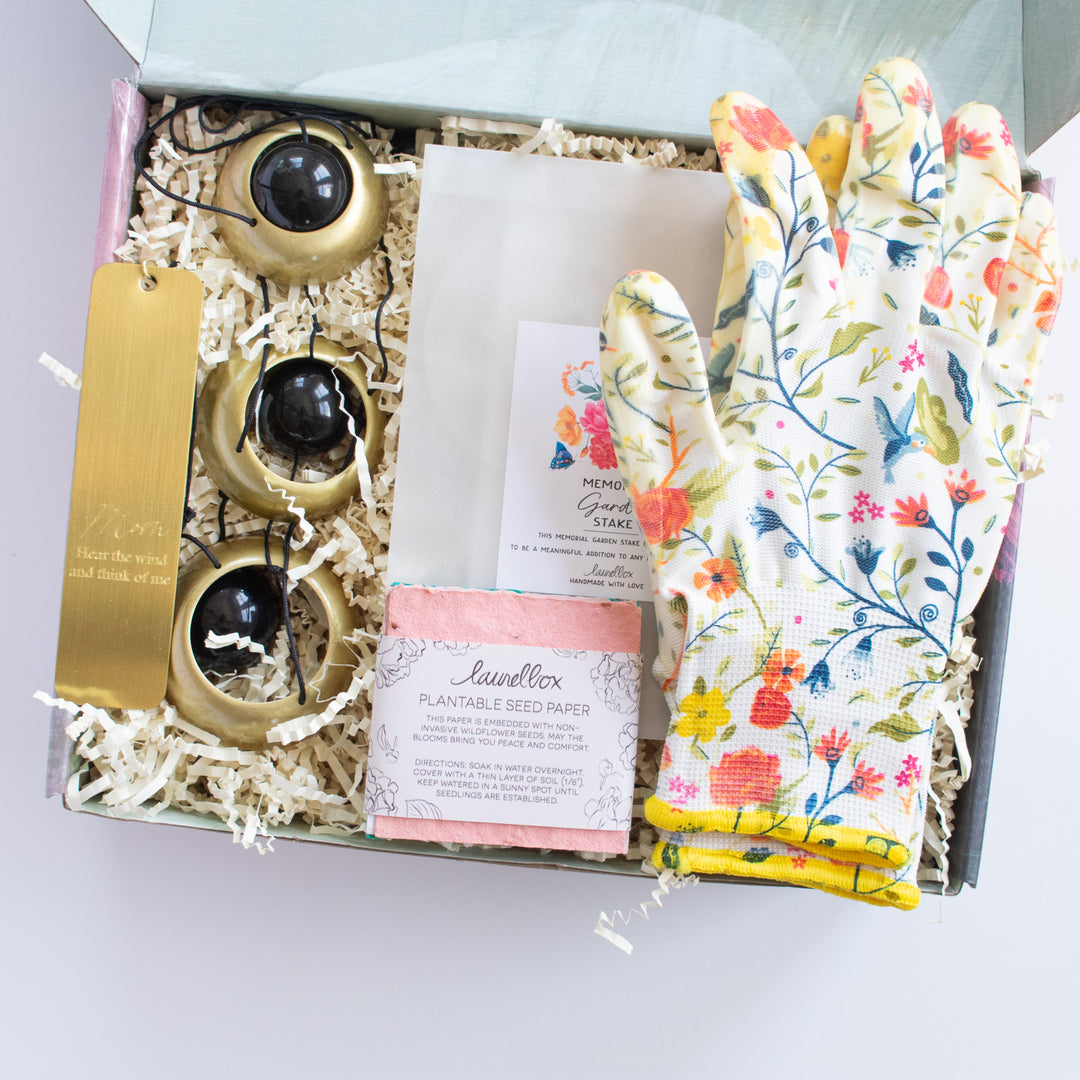
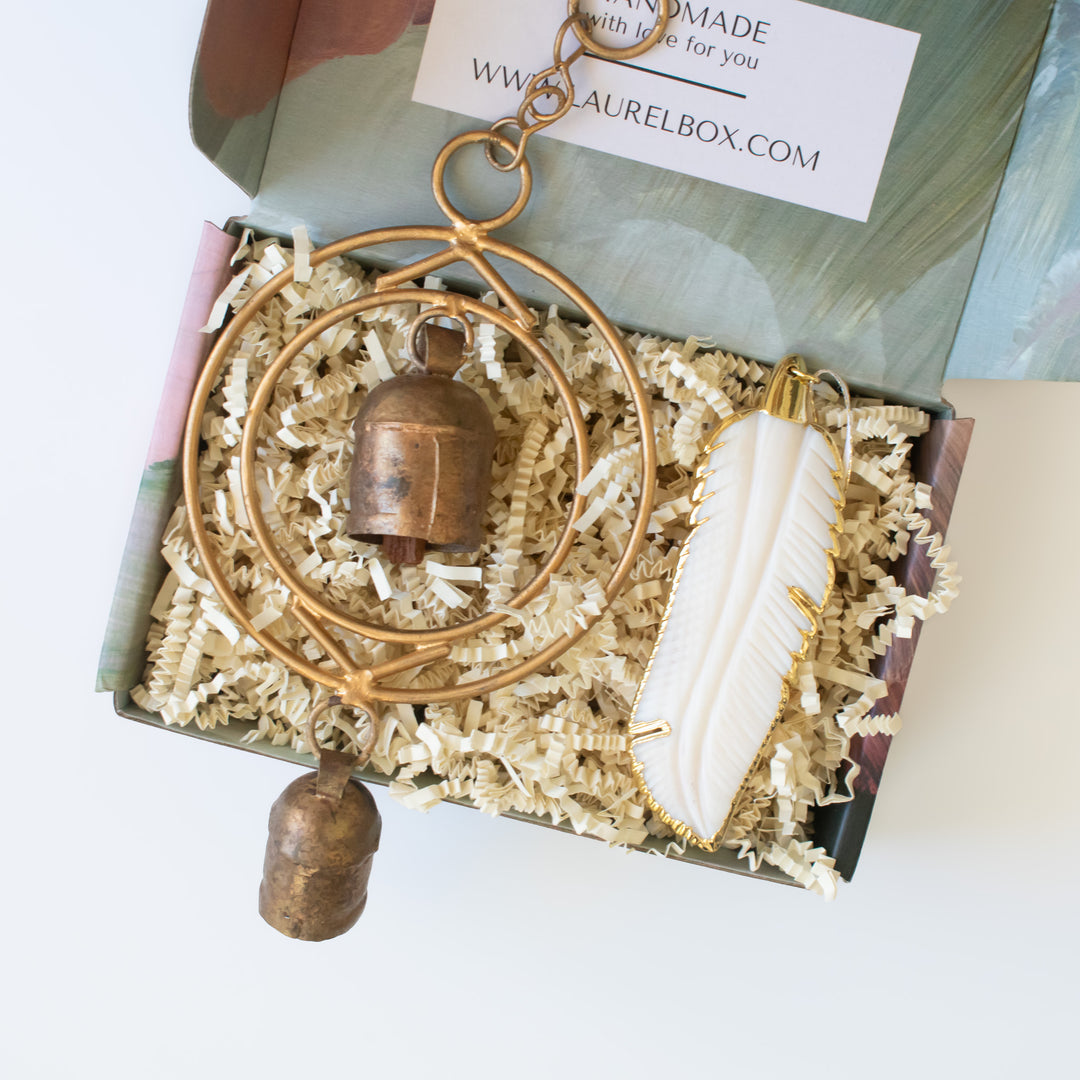
When you want to send something thoughtful without guessing, curated boxes simplify every step. Laurelbox offers modern, professional options designed for the workplace, including 100% natural candles, soothing teas, self‑care items, and optional personalization. Packaging is beautiful yet discreet, and many items are eco‑friendly. Choose a ready‑to‑send care package for individuals or coordinate a larger group box to match a pooled budget.
How to choose the right Laurelbox
Match closeness and culture. For acquaintances, consider a simple candle and card. For closer colleagues, select a comfort set with tea, a soft textile, and a keepsake. For group gifts, opt for comprehensive sets that cover the first weeks back. Add a short, handwritten message to make any box feel personal and sincere.
Frequently Asked Questions
How much should I spend on a coworker's sympathy gift?
For individual gifts, spending between $15 and $50 is appropriate in most workplaces. Group gifts typically range from $50 to $200 depending on the number of contributors. These amounts align with common workplace standards and help maintain professional boundaries.
When is it too late to send a sympathy gift to a colleague?
The traditional window for sending a sympathy gift is within the first two weeks after a loss, but it is never too late to show support. Sending a card or small gesture at 3 weeks, 6 weeks, or even months later can be deeply meaningful, especially as initial outreach fades. I know as I’ve walked through different forms of grief, there really isn’t a wrong time to acknowledge the loss!
What types of gifts are appropriate for workplace sympathy?
Appropriate gifts include sympathy cards, care packages with comfort items, meal deliveries, low-maintenance plants, and charitable donations. Avoid overly personal, religious, or intimate gifts unless you are certain of the recipient's preferences.
How should I coordinate a group sympathy gift at work?
Designate one coordinator, confirm HR guidelines, and use a shared document or digital platform to collect contributions and messages. Suggest contribution amounts and set a clear deadline for participation.
What should I write in a workplace sympathy card?
Keep your message simple, sincere, and specific to the loss. Avoid advice or platitudes. For acquaintances, a brief note is appropriate; for closer colleagues, add a personal memory or acknowledgment.
Conclusion
Thoughtful workplace sympathy gifts are simple, respectful, and tuned to your relationship and culture. The data is clear, grief impacts productivity, loyalty, and well‑being, and practical support helps. Individual gifts in the $15 to $50 range or pooled group gifts of $50 to $200 are appropriate for most teams, and timing that extends beyond the first two weeks shows real care.
When you need a ready‑to‑send option, Laurelbox’s curated, modern sympathy boxes remove guesswork while honoring professional boundaries. Choose a comfort‑forward set, add a sincere note, and ship directly to home or office. If you are coordinating for a team, pick a larger box that aligns with your pooled budget. Your colleague will remember that in a hard moment, their workplace showed up with care. If you don’t see your workplace stepping up and providing comfort to a grieving colleague, don’t hesitate to take the initiative and coordinate a show of support! Your co-worker will be so grateful you did!
Corporate Gifting Favorites









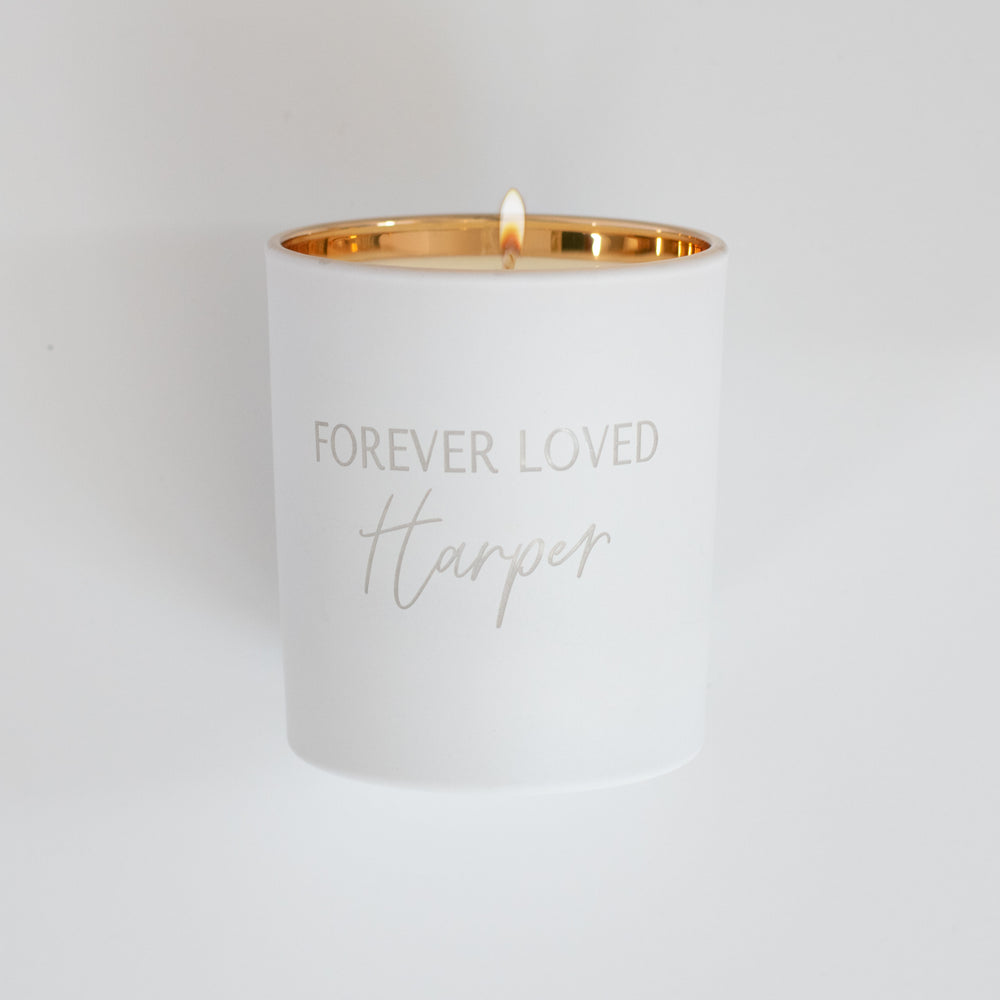

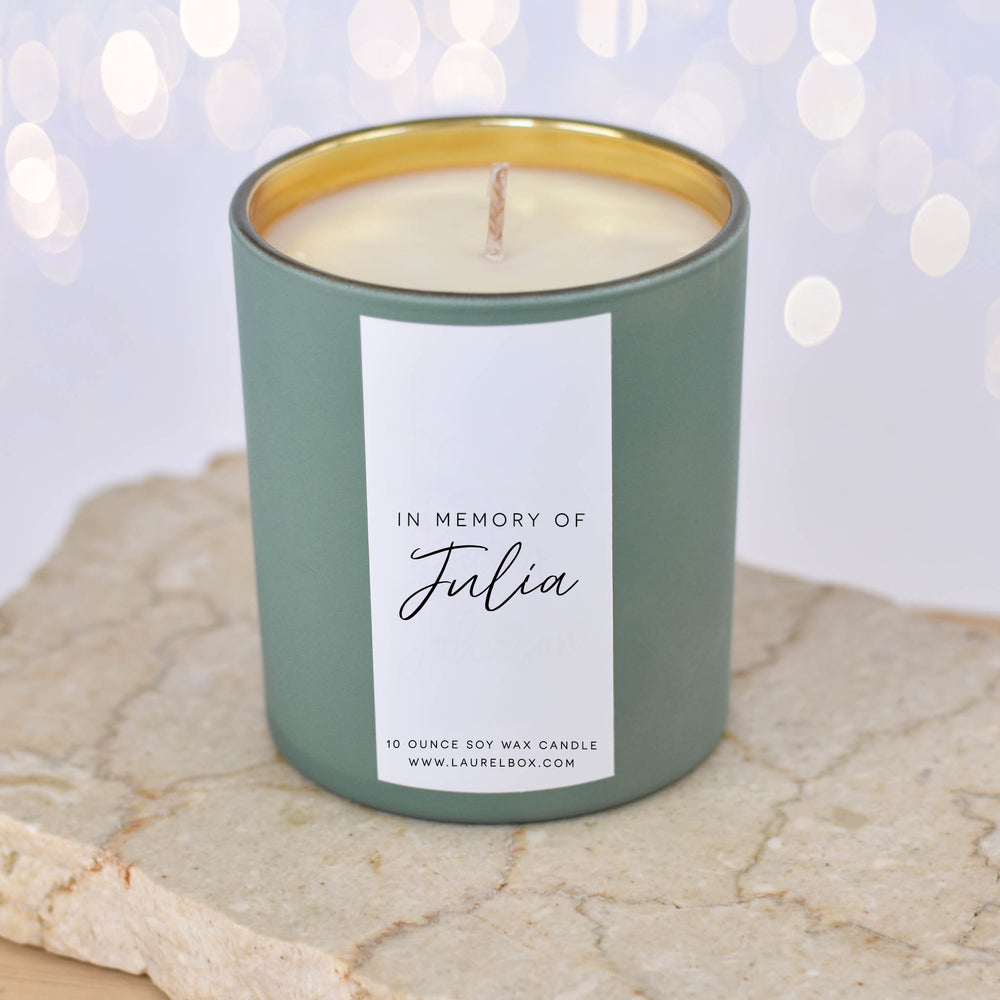
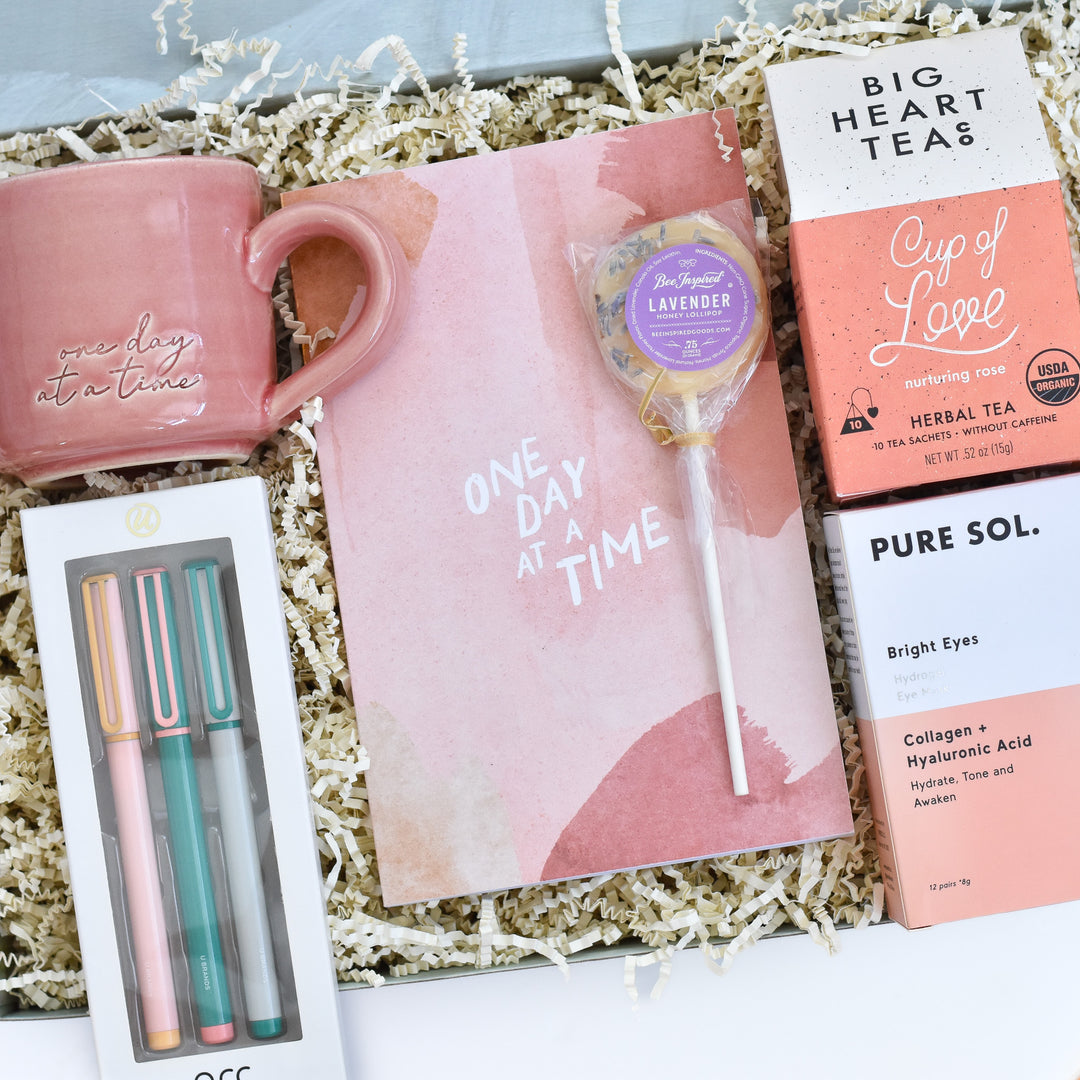





LANNA BRITT
Lanna Britt was a national news producer in Washington DC for nearly a decade covering politics, breaking news and current events. She now lives with her husband and three children in Richmond VA. She has two sweet babies she’ll meet again in heaven.


Keep reading