
What to Send Months After a Loss: Grief Support Gifts That Help Most
Gift-giving can be stressful but when you add in sympathy gift-giving it can leave you feeling overwhelmed. People navigating grief can benefit from support that focuses on their needs at a specific time. Just as the calendar changes each month, an individual’s needs change over time. Immediately after a death, focus on practical help like meals and household support, gentle check-ins that say no need to reply, and small memorial gestures on meaningful dates. Consistent, thoughtful touchpoints often matter more than expensive gifts, and acknowledgement that arrives long after the funeral can feel especially meaningful because support consistently drops off in the weeks after a loss.
In case you didn’t know, grief rarely resolves on a tidy timeline. Research shows it can ebb and flow for years, and a notable minority develop prolonged grief one year post-loss. Long-term studies also find grief fades only gradually, with reflections continuing over many years. This guide focuses on how to support a grieving friend long term. It offers research-backed timing, message scripts, and gift ideas that truly help. We break down what to send at three months, six to twelve months, around anniversaries, and into year two and beyond, so your care lands when it is needed most. Keep in mind, I’m not just writing from research but from real lived experience. We lost our second son Cooper at full term ten years ago and that grief was HEAVY, to put it mildly. Since then, I’ve lost grandparents, parents and pets. I can personally share stories of how long term support made a difference in my grief journey!
Key Takeaways
- Grief needs evolve over time, and some people experience prolonged grief one year after loss.
- Practical support early often beats flowers months later, like prepared meals that remove decisions.
- Cost does not equal impact. Consistent small gestures matter more than big spends. A handwritten note - the price of a stamp - can be very meaningful to the grieving party.
Understanding Long-Term Grief: Why Support Matters Months Later
One of the most helpful pieces of advice I received after we buried our son was that “Grief isn’t linear.” That was a new concept for me to understand as someone who hadn’t really experienced profound loss at the ripe age of 31. My analytical mind wanted to say that in 3 weeks I would feel X, in 3 months I would feel Y and in 3 years I would feel Z. But that just isn’t how it works. A 35-year longitudinal study found that grief fades only gradually, with reflective thoughts declining but not disappearing completely. About 5 to 15% of bereaved people develop prolonged grief disorder at one year, underscoring that pain can persist well beyond early weeks.
Support often drops off after the funeral, just as reality sinks in. Many grievers still need both emotional presence and practical assistance, which are the most commonly requested support types. When friends step back, daily burdens and loneliness grow. Timely check-ins, simple meals, and concrete help can bridge that gap.
Secondary losses can also compound the pain. Beyond the death itself, people may face shifts in identity, finances, routines, and community roles, all of which can intensify over time. Gifts that reduce decisions and create small pockets of ease meet these evolving needs with care and respect.
Myth vs. reality in grief timelines
Many people take issue with the well-known concept introduced in 1969 by Elisabeth Kübler-Ross of “The 5 Stages of Grief.” This idea that grief progresses through specific stages (denial, anger, bargaining, depression, acceptance) has been heavily discussed and debated. However, she herself maintained in her later writings that, “individuals may move among stages, experience several simultaneously, or not experience certain stages at all.” I personally have experienced all of those stages of grief, though at different times. Grief does come in waves, with periodic intensifications tied to stressors and milestones. This reality makes consistent, months-later support both timely and compassionate.
The 3-Month Mark: Transitioning to Sustained Support
Around three months, shock often lifts and the fuller weight of the loss becomes clearer. Many people report this period feels harder, not easier, as daily life resumes without their person. Social support also tends to wane, making any outreach during this window especially meaningful. I can recall about three months after we lost Cooper, I struggled most in the afternoons. Our toddler was taking a nap and I was left with a quiet house that should have been noisy with baby cries and laughs. It was during this difficult adjustment that a friend of mine from Washington DC (where we had moved from four months prior) came to visit us in Richmond. She ended up offering me a remote job at her non-profit organization and it was SUCH a gift. That unexpected job offer gave me purpose and busyness at a time when I desperately needed it. She could have easily offered the position to someone else, thinking it might be “too much” for a grieving mom. But instead, she threw me a lifeline and I gladly accepted it!
You may not be in a position to offer a job but another way to help is by sending low-pressure care. A simple text naming the deceased and acknowledging the date reduces isolation without demanding energy. Messages that explicitly say no need to reply lower cognitive and emotional load and are welcomed by many grievers.
Set a weekly calendar reminder and reach out. I also am a big fan of the question, “How are you doing today?” versus a broader “How are you doing?” As we’ve discussed, grief comes and goes. So maybe today they are feeling good, but yesterday when they received a bill from the funeral home, it wasn’t a great day. Adding the “today” lessens the pressure for them to recap their emotional rollercoaster of the last week.
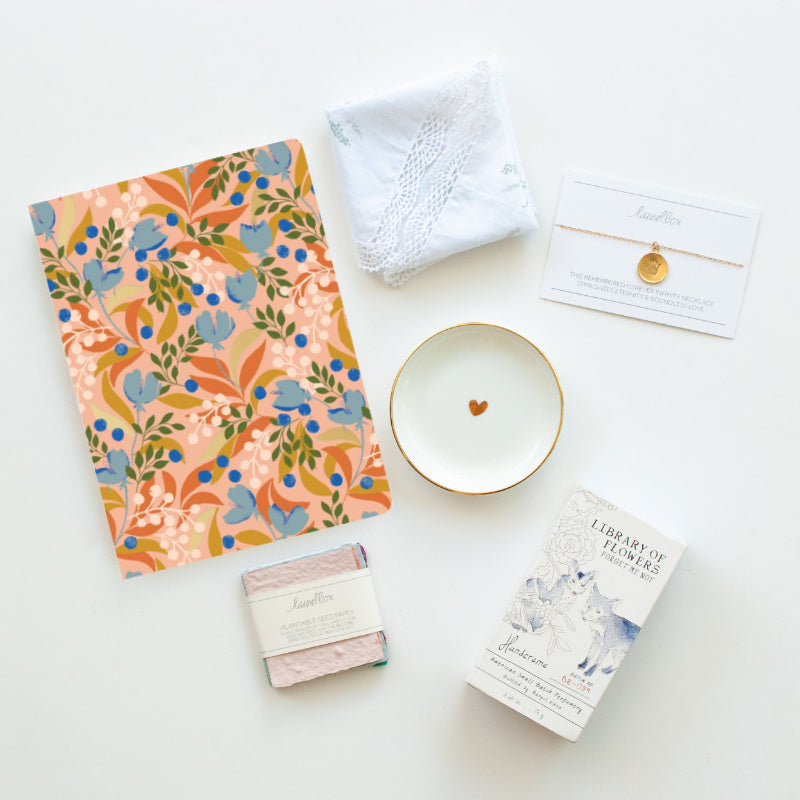
Offer concrete help with choice. Specific, limited options respect autonomy and make accepting help easier, aligning with evidence that practical support paired with emotional presence is most requested. For memorial gestures at this stage, brief personal stories about the person who died or a small keepsake can feel deeply honoring. Don’t be afraid to share a story with your friend about a memory of their loved one that popped into your head. “I have to tell you, I was making my legendary cinnamon rolls and I remembered the time your dad got so sick because he ate four of them at Christmas brunch!” Stories like that keep their memory alive along with keepsake gifts like this Deeply Loved photo frame or the Memorial Birthstone Sun Catcher.
What to send at 3 months
- Consistent check-in texts: “Thinking of you and of Jordan. Would love to know how you are doing today but no need to reply, if you aren’t up for it. I love you.”
- A practical offer with choice: “I can bring dinner Tuesday or Thursday - which works best?”
- A small care kit: protein bars, tea, tissues, dry shampoo, cozy socks, electrolyte packets: “Just wanted to know I was thinking about you and remembering Dave.”
- A handwritten note sharing one specific memory rather than a generic condolence: “I saw a rainbow today and I felt your mom’s presence. I know the Wizard of Oz was one of her favorites.”
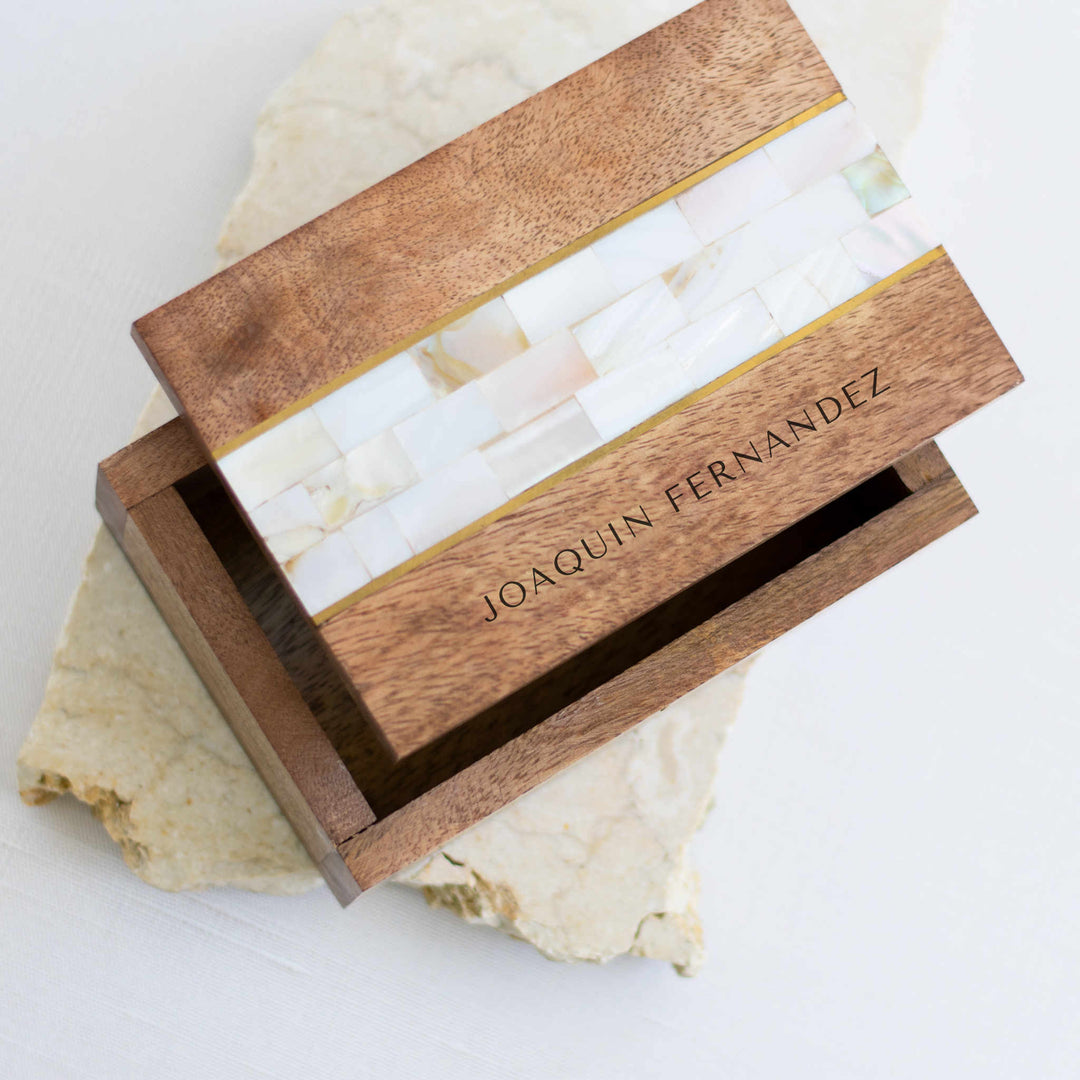
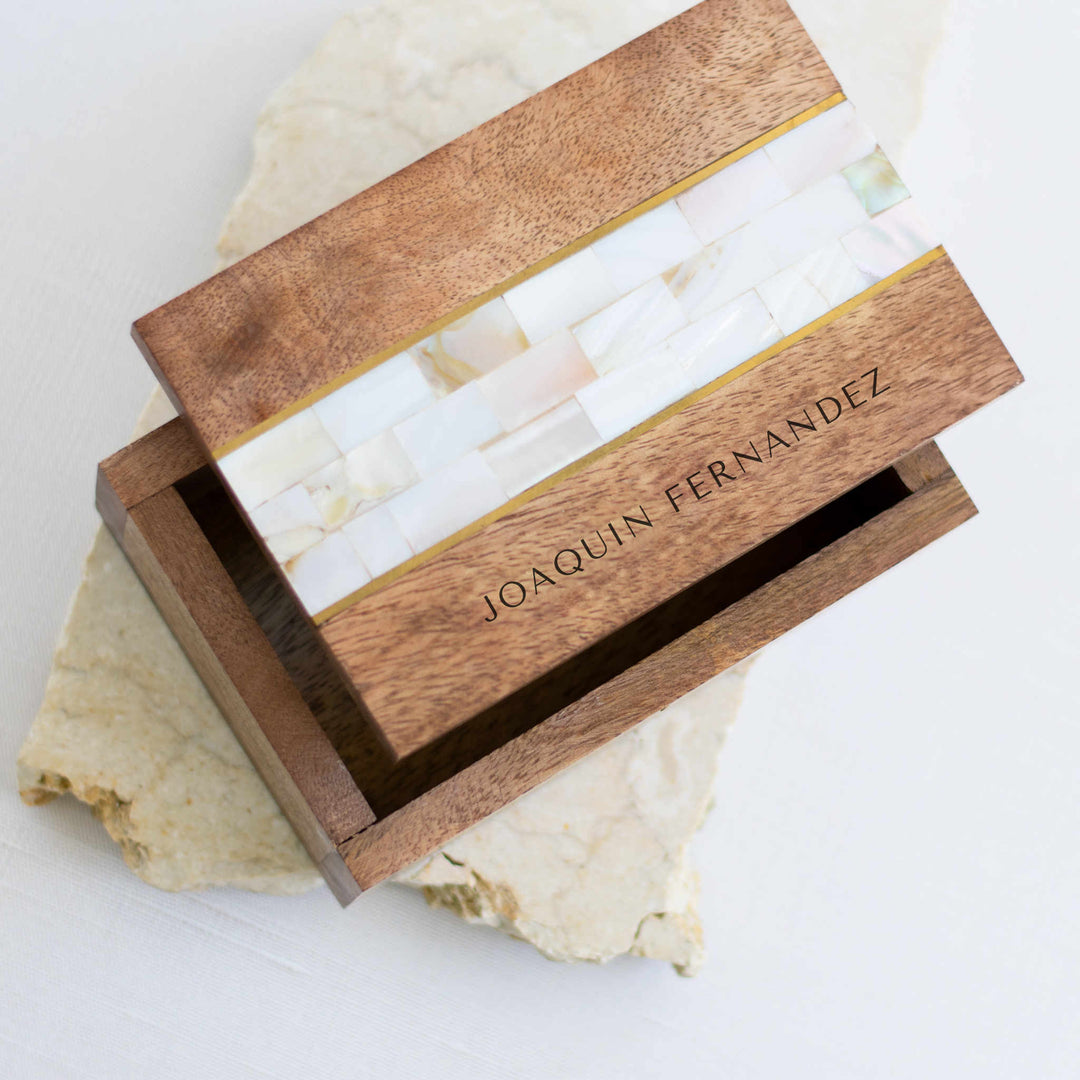
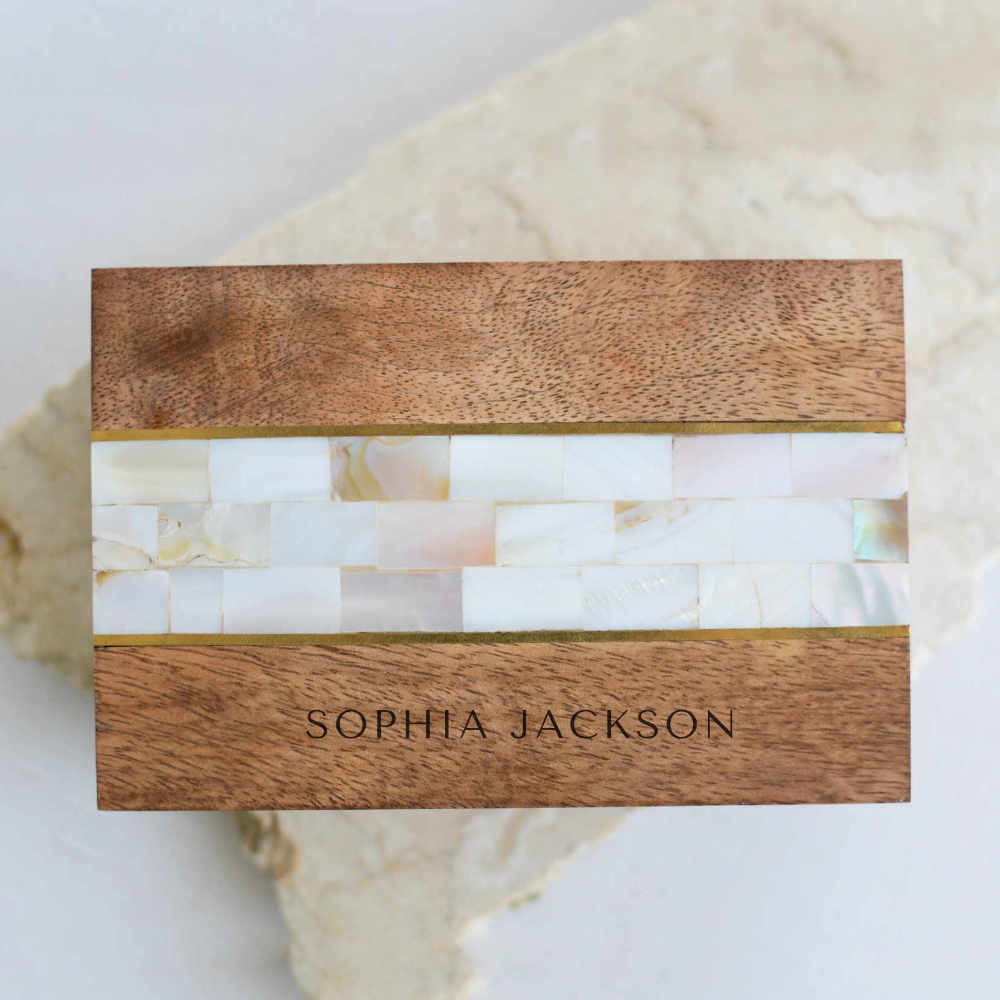
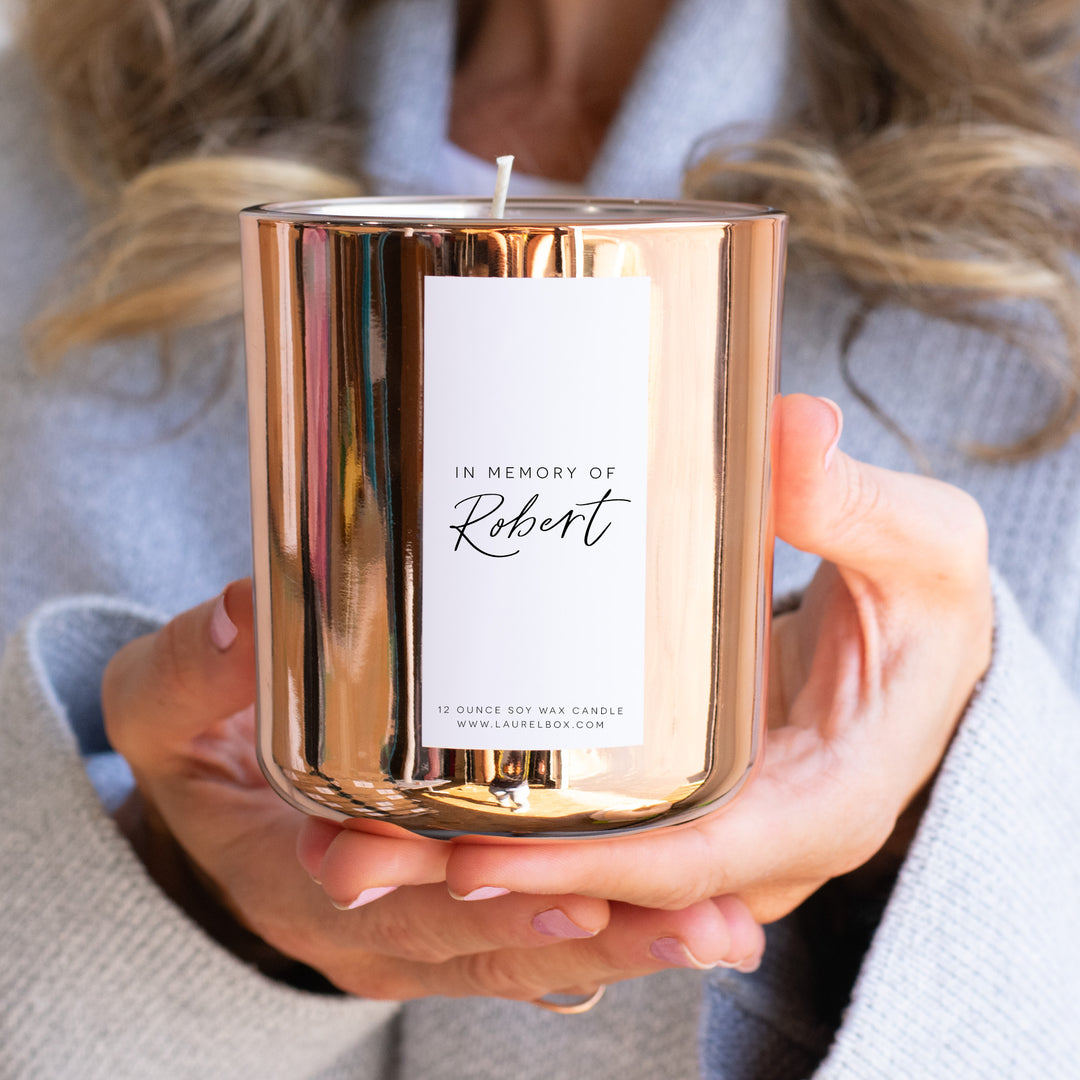
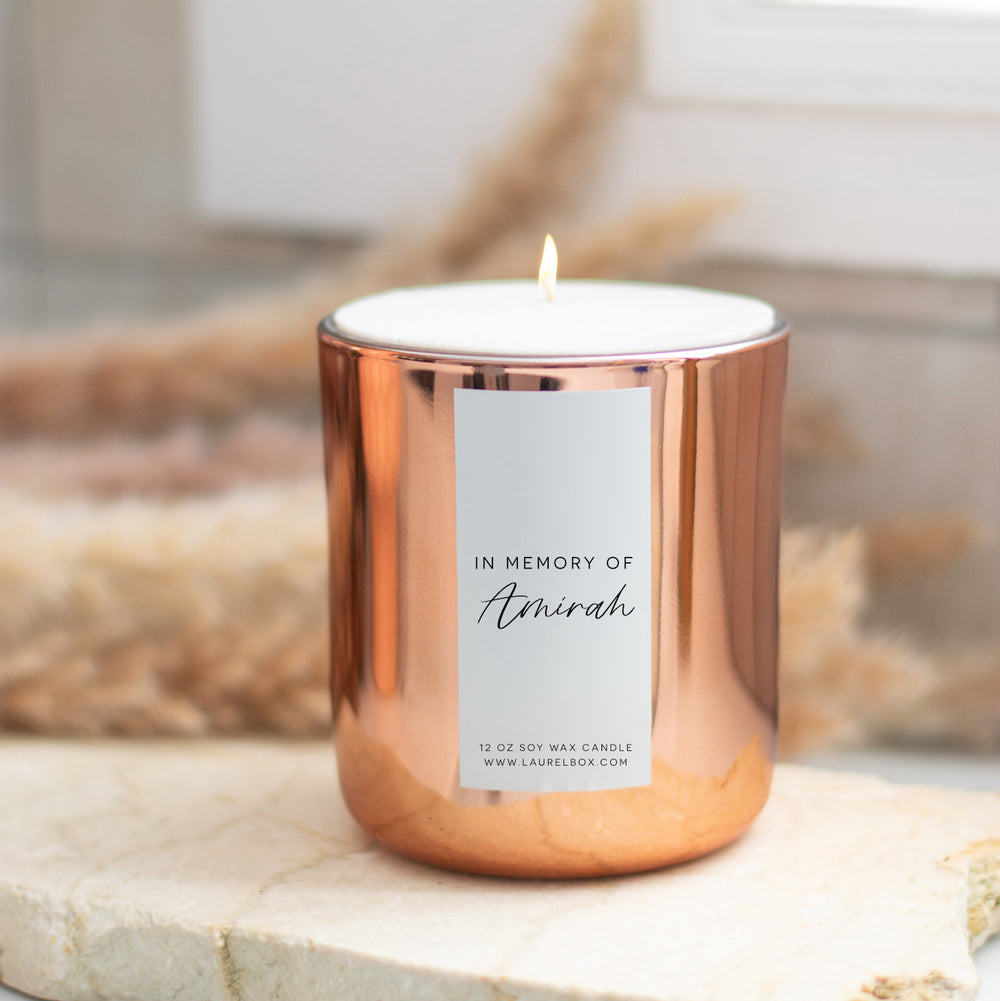
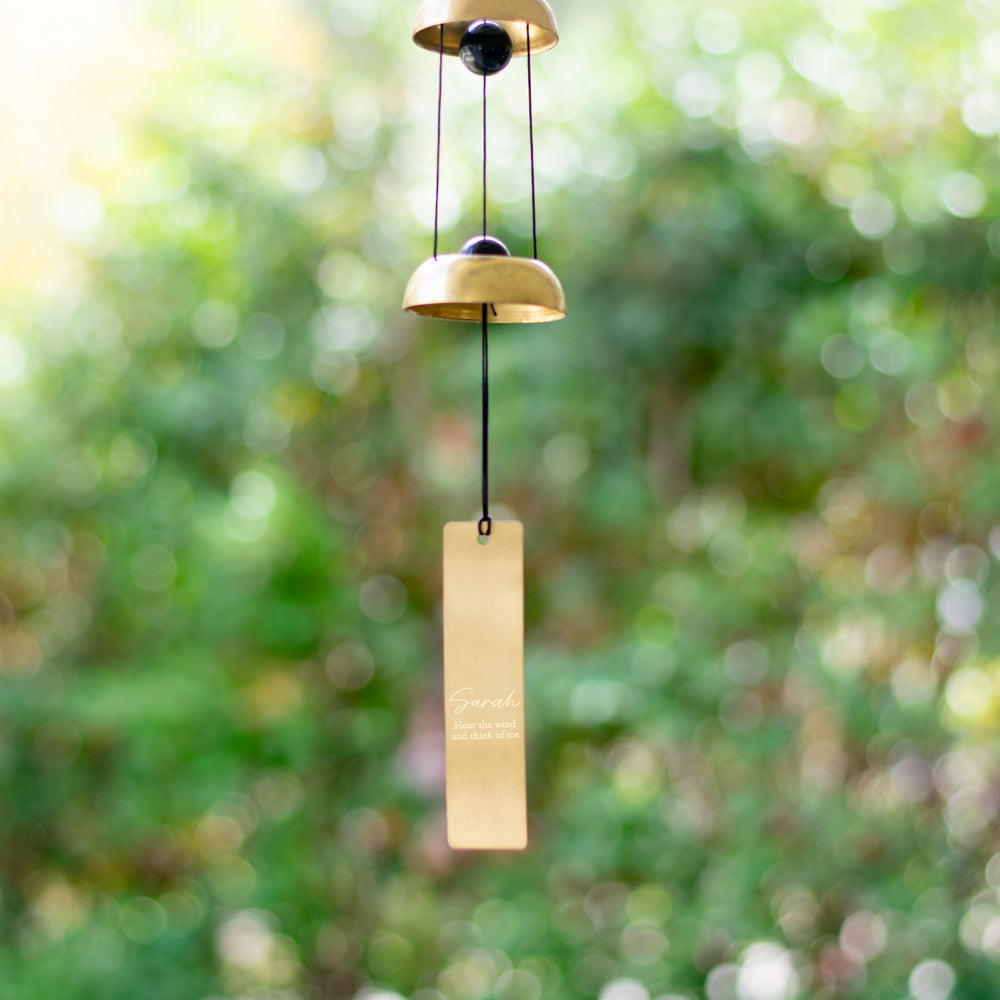
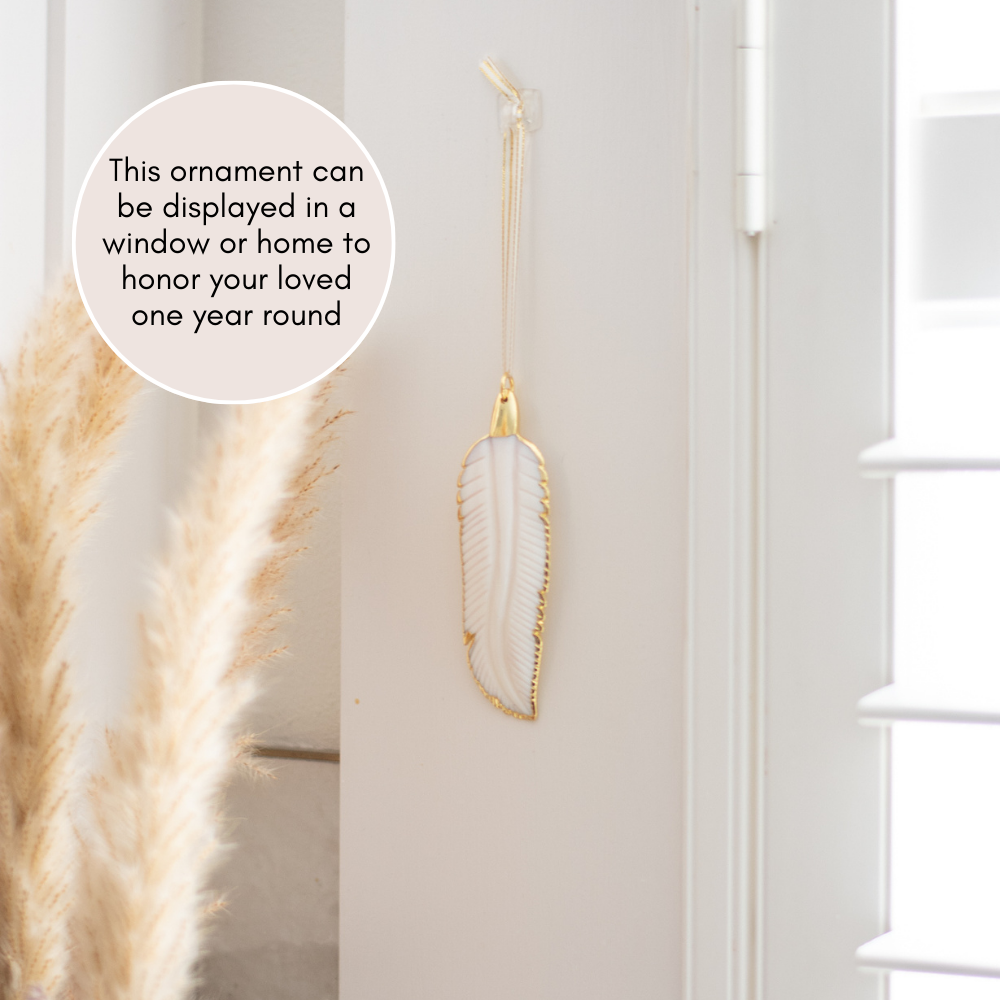
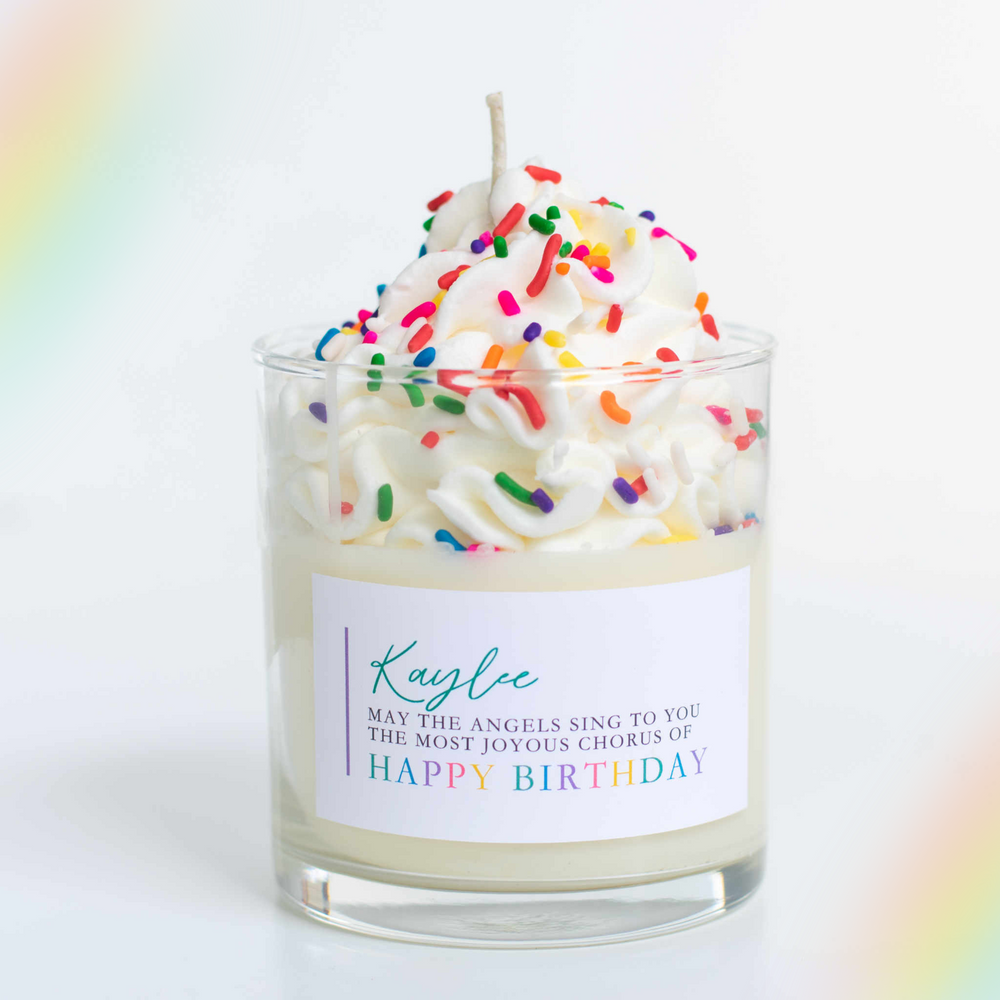
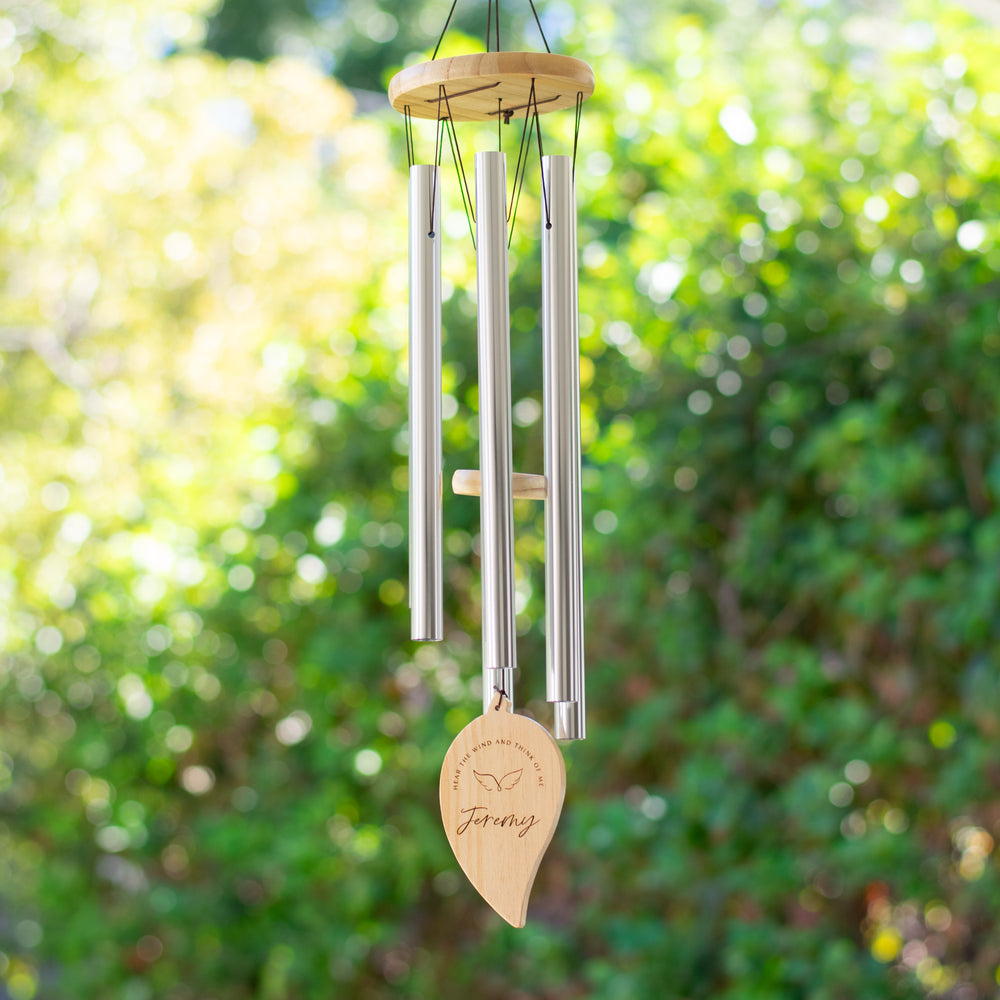
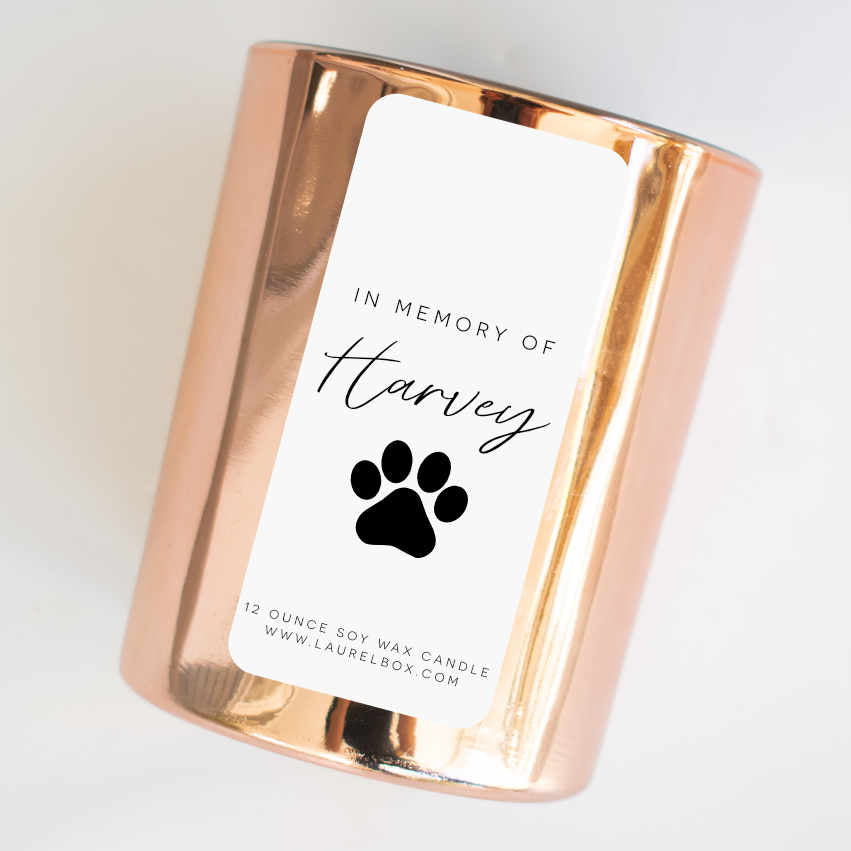
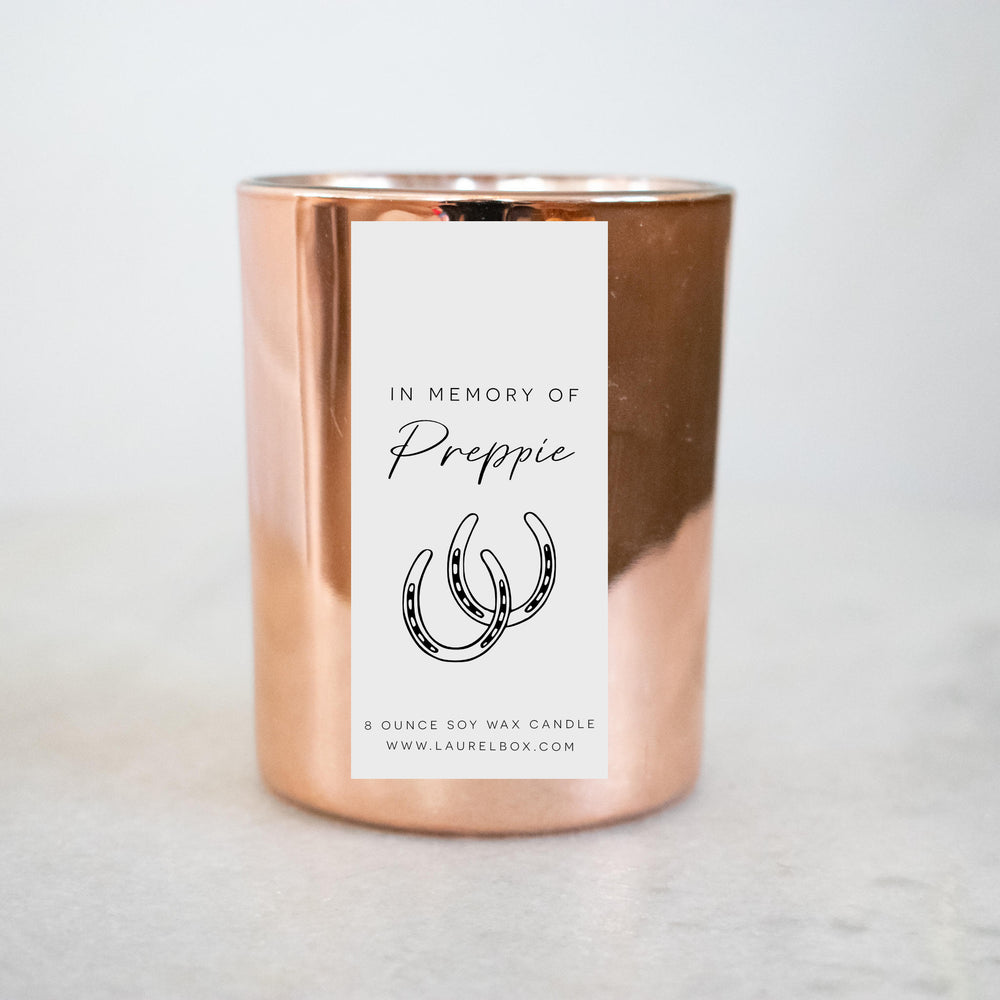
- Personalized keepsake gift
Personalized Sympathy Gifts





6 Months to 1 Year: Mental Health Support Gift Ideas
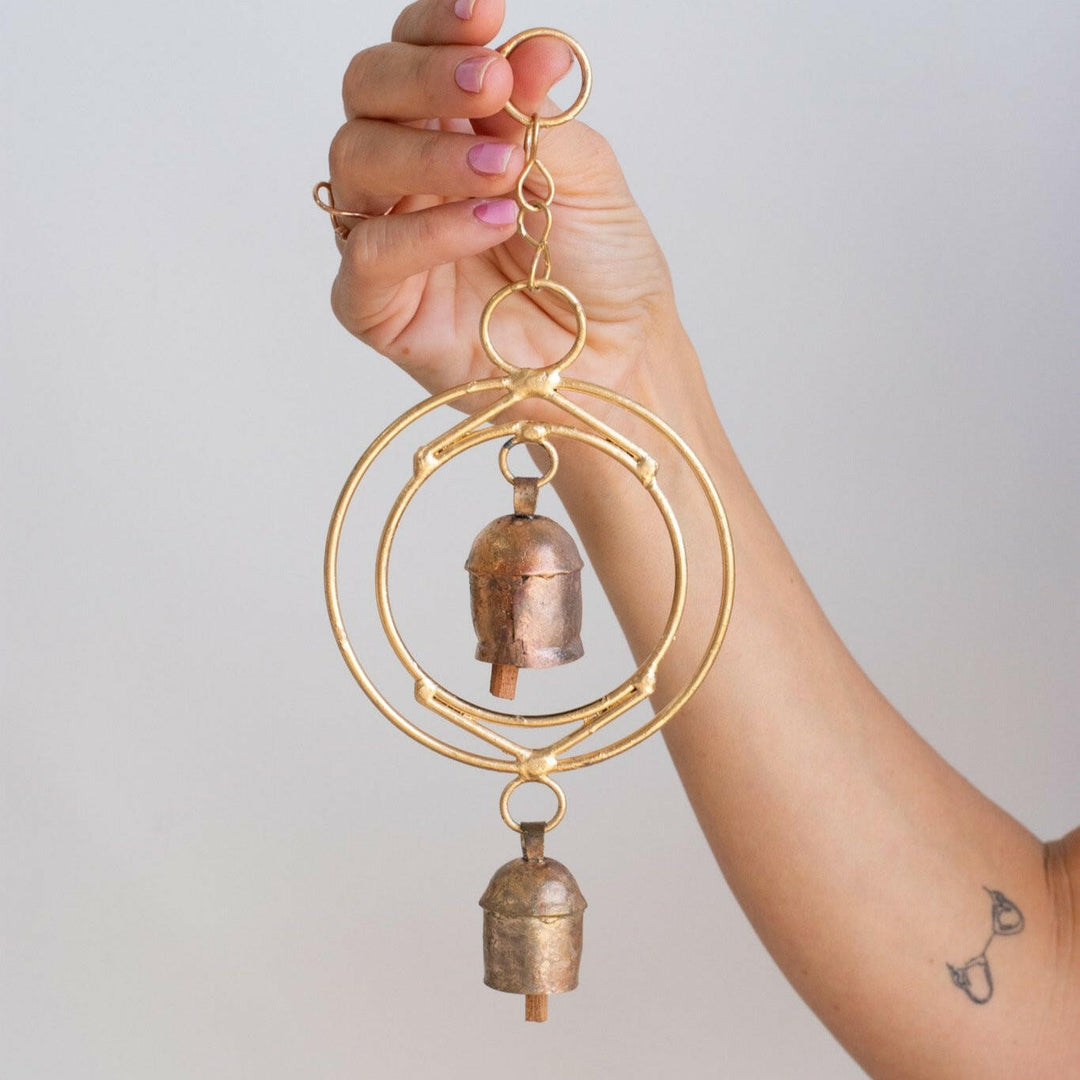
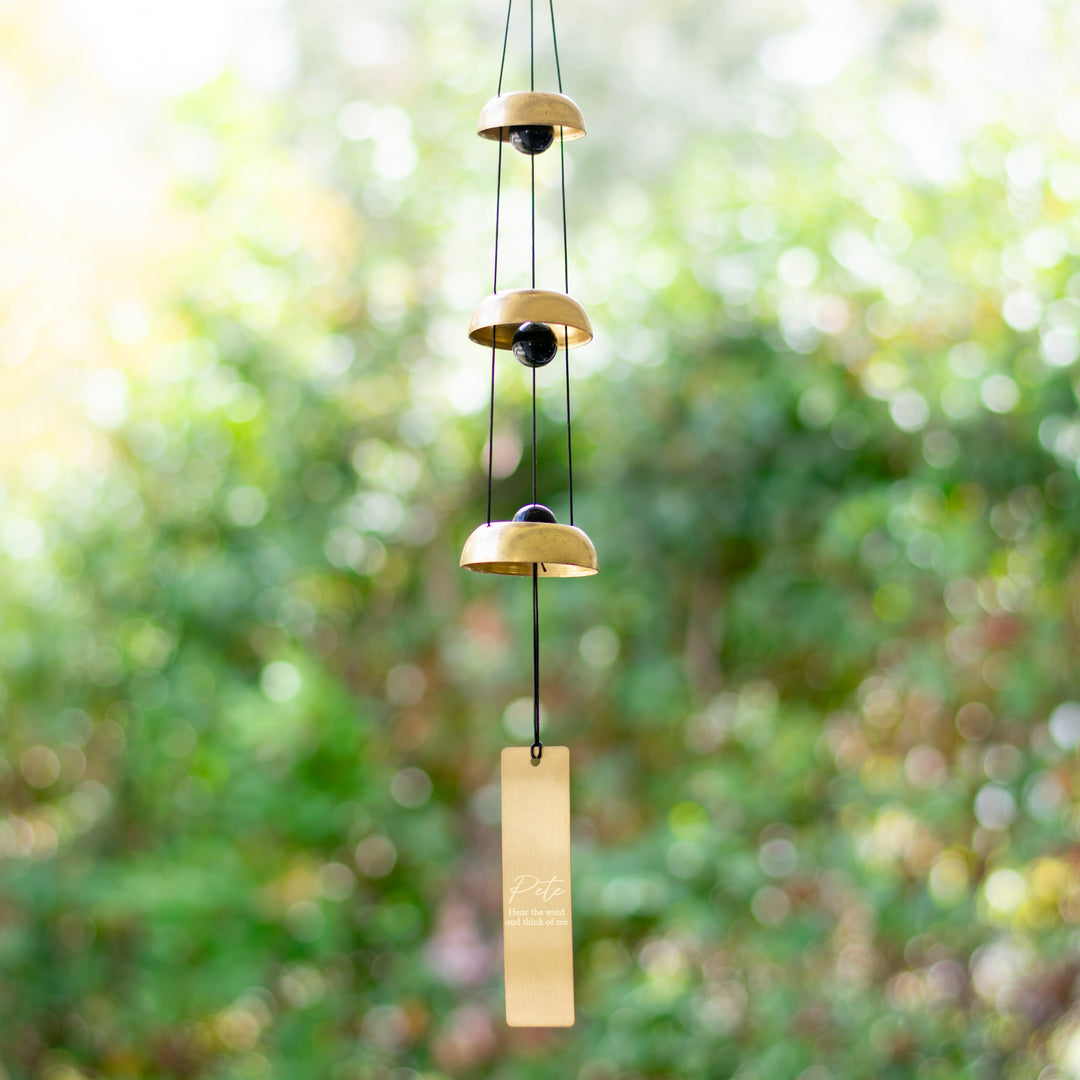
By six to twelve months, practical support often matters less than mental health and memorial gestures. Gentle self-care items that provide warmth, softness, or quiet distraction can help when energy is low. Check out the self-care and reflection gifts Laurelbox offers. In the immediate aftermath of death, self-care goes out the window. But as the months come and go, life adjusts into a new normal. Your friend might be able to settle into a journaling rhythm and benefit from a grief journal or devotional book. The Little Lights of Remembrance provide dedicated space to work through emotions and the “Hear the Wind and Think of Me” windchimes bring comfort with the breeze.
Gift ideas that prioritize mental health & reflection
- Grief journal or blank journal for reflection time
- Soft throw blanket or oversized hoodie for comfort
- Windchimes or keepsake items that keep their loved one’s memory close
- Gentle distraction: adult coloring book (one from this list has a very cheeky name ;) or calming watercolor paint set.
Anniversary Dates and Difficult Milestones
Grief often resurfaces around predictable moments such as birthdays, holidays, and the date of death. These grief anniversaries can intensify emotions and trigger acute reactions. Planning ahead and pairing ritual with social support can reduce the intensity of anniversary reactions. Check out this great resource from The Center for Prolonged Grief for “Managing Difficult Times.” They offer four principles for helping people navigate challenging times of the year:
- Anticipate and plan for difficult times
- Honor continuing bonds to the person who died
- Find pleasurable activities for yourself and other people who are still alive
- Take care of yourself and let others take care of you
As someone supporting a grieving friend, reach out before the day arrives. A brief text or card a few days ahead acknowledges the date and offers solidarity. On the day itself, a shared ritual, such as lighting a candle or cooking a favorite meal, can create a pocket of comfort and meaning.
Choose memorial-forward gifts. Arrange to plant a memorial tree as a living tribute, which some families prefer to traditional sympathy flowers. Aim for gifts that gently invite remembrance and give the griever control over how to engage.
Last week, I realized a dear friend of mine would be experiencing her first Mother’s Day without her mom since she passed away last summer from breast cancer. I immediately went to Laurelbox and sent her two items from the Mother’s Day Sympathy Gifts collection. I chose the Memories Bloom Forever Dried Floral Bouquet because I know how much she loves flowers as well as the A Mom’s Love Jewelry Dish because she loves dishes and pretty things. Thankfully, Laurelbox generally ships within 1-3 business days so I knew my gift would arrive by Mother’s Day!
Support scripts for milestone dates
- A few days before: “I know this is your first Mother’s Day since losing the baby. I am holding you close and thinking about you. No need to reply.”
- On the day: “If it would help, I can drop off dinner or sit and light a candle at 7 pm. Your choice.”
- After: “Thinking of you this weekend. I loved the story you shared about your anniversary dinner.”
Year Two and Beyond: Continuing the Journey Together
Many expect the first year to be the hardest, yet year two often brings distinct challenges. External support has usually faded by then, which can heighten isolation and bring secondary losses into sharper focus, such as identity shifts or financial realities. Grief educators note that the second year presents unique, intensified challenges. Prioritize spending time with your loved one doing new activities or experiences you both enjoy. Bi-monthly walks are a great way to stay connected, get something on the calendar consistently, and enjoy nature.
Sustained touchpoints matter, too. Monthly check-ins with explicit permission not to respond keep connections open. You can also consider professional resources. A gift certificate for grief-informed therapy can be a compassionate bridge, and evidence-based approaches are available through licensed clinicians. Some people might be too afraid to take the first step toward professional counseling, but a little push would make a big difference.
Memory-making gifts that honor the bond
- A shared experience, like a class or short trip, if welcomed
- A personalized keepsake like home and garden items that honor their loved one
- A curated photo collection or digital frame the recipient can control. We love our Aura frame!
How to Give: Timing, Delivery, and Thoughtful Messaging
How you offer support matters as much as what you send. Support received months after the funeral often carries special weight because it is unexpected. Keep messages short and clear, and minimize the griever’s to-do list.
Reduce response pressure. Texts that explicitly say no need to reply lower the mental load at a time when bandwidth is scarce. When offering help, make specific proposals and give a simple choice, which increases acceptance and preserves agency.
Mind your words. Avoid clichés that try to make sense of the loss or that minimize pain. Aim for presence, validation, and specificity, which grief education resources consistently recommend.
Message scripts you can copy
- No-pressure check-in: “Thinking of you today. No need to respond.”
- Specific offer: “I can mow the lawn Saturday afternoon or go for a walk with you - which is better?
- Card for months later: “It has been three months since Tom died. I miss his laugh and remember how he cheered at every game. I am here for you.”
Budget-Conscious Support: Meaningful Gestures at Every Price Point
The impact of your care has little to do with what you spend. Research emphasizes that the financial expense of support has virtually no correlation with its meaningfulness or impact, and that consistent small gestures beat sporadic big ones. Presence, memory-sharing, and practical help often land just as well as gifts with higher price tags.
Free or low-cost gestures can be powerful. A handwritten note with a specific memory or a quiet hour of companionship communicates profound care. Thoughtful, mid-range gifts like a custom wind chime or a memorial candle provide special keepsake items that can be cherished for years to come.
Consider investment gifts that provide lasting support or a living tribute. Options like a personalized memorial tree from a local nursery can provide comfort for decades. Our weeping cherry trees my mom and sister gave us after we lost Cooper in March bloom every year and they really are my most favorite living tribute to our son!
Some gifts provide comfort years and even decades later! We were given two weeping cherry trees in honor of our son that have grown huge in the decade since they were planted. Every year they bloom around the time we lost him and they bring me such joy. Here our living children pose under our “Cooper trees” in full bloom.

Ideas by price point
- Free or low-cost: handwritten memory, tea sampler, dry shampoo, coloring book, grief journal, or the Look For Me in Rainbows custom decal set for just $22!
- Mid-range: soft throw blanket, custom wind chimes, memorial candle
- Investment: memorial tree or plant (don’t forget to factor in the price of delivery and planting so the recipient doesn’t have to do it!)
Frequently Asked Questions
What is the best gift to send 6 months after a loss?
At six months, mental health and memorial gestures are really valuable. The initial shock has subsided and the grieving individual might have the bandwidth to focus on self-care, reflection practices and journaling.
What should I text someone on a grief anniversary?
Acknowledge the date with a brief, gentle message that requires no response. For example: 'I remember that Friday is Maya’s birthday. I am holding you close. No need to reply.' On the day itself, you can offer a specific gesture, such as, 'If it would help, I can drop off dinner or sit and light a candle at 7 pm. Your choice.'
How can I help someone grieving in year two?
Support in year two is still important, as challenges often intensify when outside support fades. Consistent, low-pressure check-ins, ongoing small gestures, and memory-making gifts like a personalized keepsake or a shared experience can all be meaningful. Consider a gift certificate for grief-informed therapy or find a way to take a trip together.
Are expensive gifts better than simple gestures?
No. The impact of your support is not tied to cost. Consistent, thoughtful gestures - even free or low-cost ones like a handwritten note or a simple check-in - can be just as meaningful as expensive or elaborate gifts. The important thing is to do SOMETHING (ideally a couple of somethings over time) to support your grieving friend.
Conclusion
Care that arrives months later tells a grieving person they are not forgotten. The research is clear that grief can last far longer than most expect. Support can be found in a variety of ways and small, steady gestures outweigh big, sporadic ones. Choose support that reduces effort, honors key dates, and invites remembrance at the griever’s pace.
For a beautiful, ready-to-send option, explore laurelbox’s curated, personalized sympathy gifts made with care and intentionality. Our packaging is designed to feel like a hug, and our eco-friendly candles and handcrafted keepsakes help you show up again and again. Set a reminder for three months, six months, and the first anniversary, then pair a simple message with a thoughtful gift that truly helps.
Lanna Britt
Lanna Britt was a national news producer in Washington DC for nearly a decade covering politics, breaking news and current events. She now lives with her husband and three children in Richmond VA. She has two sweet babies she’ll meet again in heaven.


Keep reading