How to Assemble the Perfect Care Package in 2026: Step-by-Step Guide

How to Assemble the Perfect Care Package in 2026: Step-by-Step Guide
A truly perfect care package in 2026 is personal, practical, and emotionally supportive—never generic. The best care packages blend comfort, usefulness, nourishment, personalization, and a heartfelt note, tailored to the recipient’s current reality. This guide walks you through every step: understanding the recipient, budgeting, selecting meaningful items, safe packing, thoughtful shipping, and avoiding common pitfalls. Whether you build it yourself or start with a curated laurelbox, you’ll learn how to deliver genuine care, not just a box of stuff.
Since I went to college (20+ years ago - yikes) I’ve put together dozens of care packages. I’ve sent boxes to military loved ones, kids at summer camp, far away friends, couples grieving the loss of a baby and even families who were walking through life transitions. The element that makes a great care package is knowing what the recipient needs at that moment and then showing up (even via snail mail!) so they feel seen and loved.
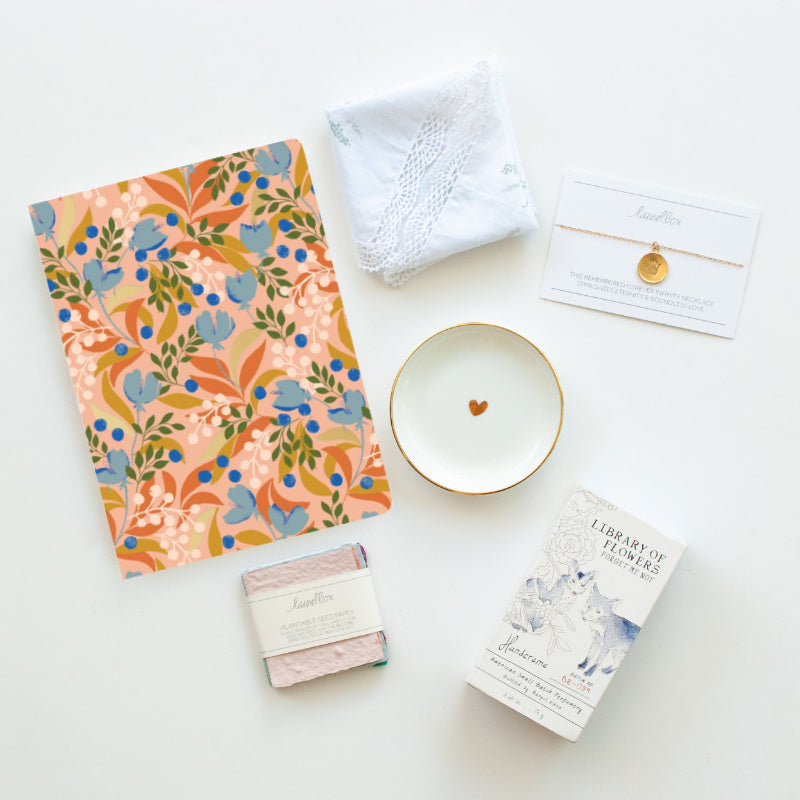
Care packages are a wonderful way to show up in spirit and encourage a friend or relative. I’ve sent dozens of care packages over the years and received a number myself, like this Laurelbox sympathy gift that was a treat to open.

KEY TAKEAWAYS
- Highly curated, recipient-specific care packages are far more valued and less likely to end up unused, with 40% of some generic gifts landing in landfills.
- The five-part care package formula: one comforting item, one useful item, one small treat, a personal touch, and a handwritten note, maximizes emotional impact and connection.
- USPS shipping costs have risen 3.5% to 6.6% in 2026, so smart packing and carrier choice can save 20-50% on delivery fees for small, dense boxes.
What Makes a Care Package Thoughtful?
A thoughtful care package is personal, useful, emotionally appropriate, and easy for the recipient to enjoy. Unlike generic gift baskets, a meaningful care package is designed around what the recipient needs most right now—a true expression of support and understanding.
The most impactful packages use a five-part framework:
- Comfort (soothing, sensory items)
- Usefulness (practical, everyday helpers)
- Nourishment (a treat or snack)
- Personalization (something unique to the recipient)
- Connection (a handwritten note or message)
Research shows that tailored gifting activates the brain’s reward centers, releasing dopamine and fostering a sense of social connection. A smaller, curated selection that reflects the recipient’s real needs is tangible proof of intimacy and care. Poorly matched or generic gifts, by contrast, can trigger discomfort or even anxiety.
I have a first hand story about this that took place recently! But to protect the anonymity of those involved, I’m going to change the names - ha! Bob was given an oatmeal raisin cookie from Janice. Janice was excited to present said cookie to Bob declaring, “I got this for you. I knew you’d love it!” Once Janice leaves, Bob declares to me in a frustrated tone, “When in the last 20 years has she EVER seen me order an oatmeal raisin cookie. Never. Never once! Why did she think that was my favorite dessert??” Clearly, the cookie experience was less than sweet. It just goes to show how gifts can trigger various responses - whether good or bad!
Step 1: Start With the Recipient
Begin by focusing on the person you want to support. The right care package always starts with understanding why the recipient needs encouragement and what would make their day easier. Consider:
- Age and household (children, pets, roommates)
- Location and climate (shipping limitations, weather)
- Hobbies or interests
- Accessibility needs
- Dietary restrictions and allergies
- Available space (dorm, hospital, shared living)
Adjust the package for the occasion:
- Grief: Gentle, comforting items; avoid tasks or energy-heavy gifts
- Illness recovery: Soothing, easy-to-use products; skip strong scents and perishables
- College: Durable snacks, study aids, and practical comforts
- Caregiving or new parenthood: Useful helpers, quick snacks, and moments of relaxation
- Long-distance: Reminders of home, shared memories
Pre-assembly Checklist:
- Why does my recipient need support?
- Are there allergies, dietary, or scent sensitivities?
- Does their setting have restrictions (military, hospital, dorm)?
- What would feel comforting (not overwhelming) right now?
Military addresses strictly prohibit alcohol, aerosols, and lithium batteries, and U.S. federal employees can only receive corporate gifts up to $20 per occasion. When my husband enlisted just a few months after we got engaged, I must have sent a care package to him every week!
Step 2: Set a Budget and Package Size
You don’t need a big budget for a powerful impact. Research confirms that smaller, intentional packages are more meaningful and reduce waste—40% of corporate gifts end up in landfills due to generic, overfilled boxes. Prioritize a few relevant items over lots of filler.
Factor in:
- Shipping (which can be up to 50% of your total cost if not optimized)
- Packaging (use free USPS Priority Mail boxes or eco-friendly options)
- Personalization (custom notes or engraved keepsakes and even printed photographs)
While specific budget ranges vary, focus on quality and curation. For multiple packages, buy in bulk or shop post-holiday sales for savings.
Gift Box Guide
| Budget Range | What to Expect | Shipping Impact |
|---|---|---|
| Under $30 | 2-3 core items + note | Small box, Cubic pricing |
| $30-$60 | 3-5 items, higher quality | Medium box, regular rate |
| $60-$100 | Premium/curated items | Larger box, higher cost |
| $100+ | Custom keepsakes, luxury | Priority/insured shipping |
Step 3: Choose the Core Items
Use the five-part formula for maximum impact: one comforting item, one useful item, one small treat, a personal touch, and a handwritten message.
Examples by Recipient:
- Grieving Friend: Soft blanket, herbal teas, soothing candle, memorial keepsake. Lots of ideas from Laurelbox curated collection.
- College Student: Healthy snacks, study supplies, fuzzy socks, stress ball
- Person Recovering From Illness: Microwaveable eye mask, unscented lip balm, electrolyte drink powder, puzzle book
- Caregiver or New Parent: Leakproof tumbler, sleep mask, nutritious bars, nice hand sanitizer (I am loving the Touchland scents and feel)
- Far Away Friend: Printed photographs!
Safety Considerations:
- Avoid allergens and strong scents unless you’re certain they are safe or appreciated
- Double-bag scented or liquid items to prevent contamination
- Choose pre-packaged foods with clear labels if allergies are unknown
- Skip fragile perishables unless you are certain of fast delivery
Eco-conscious items are on the rise, now accounting for nearly 14% of all corporate gifting.
Step 4: Add a Personal Touch
The most lasting part of any care package is the personal note. Experts agree this simple act is the most critical component, often kept long after other items are gone.
Personalization ideas:
- Handwritten note (always include)
- Printed photo or children’s drawing
- Inside joke, shared playlist, or favorite quote
Message Examples:
- Grief: “I’m thinking of you and sending gentle comfort. No need to reply.”
- Encouragement: “You are so loved—one step at a time.”
- Recovery: “Rest as much as you need; I’m cheering you on.”
- Loneliness: “No matter the distance, you’ll always be in my heart.”
Avoid minimizing phrases or pressuring the recipient to respond. laurelbox writes your message on high-quality cards, making personalization seamless and meaningful. For more ideas on what to say, check out our guide with 60+ Thoughtful Sympathy Gift Messages For Every Situation.
Step 5: Select the Right Box and Packing Materials
Choose a sturdy box that’s not too large or small. USPS Priority Mail boxes are free and come in several sizes, but a box that’s too big increases shipping and filler costs.
Tips for packing:
- Use crinkle paper, bubble wrap, or even bags of marshmallows as lightweight void fill
- Keep a cohesive look with coordinated tissue paper or stickers
- Double-bag all scented, liquid, or potentially messy items (keep in mind any mailing restrictions as well)
Protect fragile cookies by packing them in empty Pringles tubes or cereal boxes. Place heavy items at the bottom and lighter ones on top for stability.
Step 6: Assemble the Package
Follow this order for secure, beautiful assembly:
- Line the box with tissue or thin packing material
- Place heavy, sturdy items at the bottom
- Add lighter, fragile, or scented items (double-bagged)
- Fill all gaps with crinkle paper, bubble wrap, or newspaper
- Place your handwritten note at the top where it will be seen first
- Close and seal the box securely—tape all seams
Assembly Checklist:
- All items fit snugly (no shifting)
- Scented and food items are separated
- No prohibited items included
- Note is placed on top
- Box is sealed tightly
Step 7: Ship It Safely and Thoughtfully
Double-check the recipient’s address, delivery restrictions, and preferred delivery date. Consider weather, perishables, and shipping delays—never send perishable treats if there’s a risk of weekend or holiday delay. No one wants to receive melted chocolate because you didn’t plan for heat!
Tips:
- Use tracking and delivery notifications
- Choose Priority Mail Cubic for small, dense packages
- Perishables add a $15 handling fee; hazardous materials (like aerosols) have a $7.50 fee
- Check for seasonal surcharges during holidays
- Confirm the recipient can receive packages at their address and is available for delivery
- Give them a heads up when a package will arrive so it doesn’t get swiped or forgotten if they are out of town
Care Package Ideas by Recipient and Occasion
Grieving Friend
- Soft blanket, herbal tea, soothing candle, memorial keepsake (avoid high-energy items)
- Gentle message: “Sending you comfort and love. No reply needed.”
College Student
- Healthy snacks, study supplies, fuzzy socks, stress toys
- Avoid perishables unless delivery is guaranteed rapid
- Supportive message: “Proud of you—take care of yourself too.”
New Parent or Caregiver
- Leakproof tumbler, healthy snacks, unscented wipes, sleep mask
- Avoid heavily scented products unless requested
- Encouraging message: “You’re doing an amazing job. Rest when you can.”
Person Recovering From Illness
- Microwaveable eye mask, unscented lotion, gentle music playlist you can share via link
- Skip complicated gadgets or foods requiring prep
- Soothing message: “Take things slow—sending healing wishes.”
Long-Distance Partner or Family
- Shared photos, favorite snack, personal memento, puzzle they’d enjoy
- Message: “You’re always close in my thoughts.”
Common Care Package Mistakes to Avoid
Avoid these common pitfalls:
- Sending items that conflict with allergies, diets, or medical/cultural restrictions
- Including too many random products with no clear purpose
- Packing food and scented items together—VOCs from candles/soaps can permeate and ruin snacks
- Using fragile packaging, leaky containers, or excessive filler
- Writing minimizing messages (“You’ll get over it soon”)
- Forgetting about shipping delays, delivery access, or privacy needs
Aerosols and alcohol are banned by USPS and in military mail; incomplete customs forms or vague descriptions like “gift” can delay or reject packages.
DIY Care Package or Curated Care Package?
DIY care packages offer maximum customization and can include homemade or hyper-local items, but require time for shopping, packing, and delivery. They’re best when you know the recipient’s preferences intimately.
Curated options like laurelbox are ideal if you want a ready-to-send, emotionally considered package without the logistical hassle. laurelbox, now in its 11th year, is known for expert curation and deeply personal touches, including custom-engraved memorial windchimes. Did you know our custom wind chimes landed the #1 spot on Good Housekeeping’s 20 Unique Bereavement Gifts in 2026 list?
Either approach can be made personal by adding your own note or keepsake.
Ready to Gift
View all Shop All Curated


Care Package Checklist
Print or reference this before sealing your box:
- Recipient’s context, needs, and preferences confirmed
- Budget and delivery date set
- Allergies, dietary, scent, accessibility, and space checked
- One comforting item included
- One useful item included
- One small treat included
- One personal touch (photo, keepsake, playlist, etc.)
- Handwritten note added (on top)
- Sturdy packaging, void fill, and separation of food/scented items
- No prohibited items (alcohol, aerosols, lithium batteries, perishables to restricted addresses)
- Shipping method, surcharges, and tracking reviewed
- Address and delivery access verified
- Heads up given to person, shared tracking info if necessary
Conclusion
A perfect care package in 2026 is defined by empathy, relevance, and careful attention to detail. Prioritize a balanced mix of comfort, usefulness, and personal connection. Check all practical considerations—including allergies, shipping restrictions, and timing—before you send. If your schedule or distance makes DIY difficult, laurelbox’s expertly curated care packages offer a deeply personal, time-saving alternative that still allows you to add your own message or touch. Start with the needs of your recipient, finish with your heart, and your package will always deliver genuine care.
I’ve assembled numerous care packages over the years whether they were destined for a deployed spouse, a child at camp, a grieving family, or a couple who just lost a baby. The key is to DO SOMETHING so the person knows they are loved, seen and encouraged.
Frequently asked questions
What should you put in a care package?
How many items should a care package include?
How much should you spend on a care package?
What should you send to someone who is grieving?
What items should you avoid?
How do you pack a care package so it does not break?
Is it better to make or buy a care package?
How far in advance should you ship?
Lanna Britt
Lanna Britt was a national news producer in Washington DC for nearly a decade covering politics, breaking news and current events. She now lives with her husband and three children in Richmond VA. She has two sweet babies she’ll meet again in heaven.


Keep reading